We are living in a time of constant input. News alerts flash across our screens highlighting political differences, polarizing viewpoints, and the current state of affairs, while social media amplifies opinions around the clock.
Conversations surrounding identity, rights, and representation can feel both urgent and overwhelming. For many in the LGBTQA+ community, this steady stream of information is not just background noise, it can feel deeply personal. When public dialogue questions your safety, dignity, or belonging, stress naturally rises. In moments like these, learning to stay present is not a luxury; it is a form of emotional protection and self-empowerment.
Navigating News and Social Pressures
Staying informed is important, but overexposure can heighten anxiety and emotional fatigue. Consider setting gentle boundaries with media consumption. Designate specific times to check the news rather than scrolling throughout the day.
Notice how your body feels as you engage with certain content. If your chest tightens or your breathing becomes shallow, that is your nervous system signaling overload. Give yourself permission to pause. Logging off is not avoidance; it is regulation.
Social pressure can also intensify stress. Online spaces often invite comparison, debate, and judgment. Curate your digital environment intentionally. Follow voices that educate, uplift, and affirm your lived experience. Mute or step away from conversations that escalate distress without offering constructive dialogue. Protecting your mental space allows you to remain grounded and responsive rather than reactive.
Grounding Techniques for Anxiety
When stress spikes, grounding techniques help anchor you in the present moment. One effective method is sensory orientation: identify five things you can see, four you can feel, three you can hear, two you can smell, and one you can taste. This simple exercise gently redirects attention from racing thoughts to immediate experience.
Breathwork is another powerful tool. Try inhaling slowly for a count of four, holding for four, and exhaling for six. Longer exhales signal safety to the nervous system, easing the body out of fight-or-flight mode. You can also place a hand over your heart and notice its rhythm, reminding yourself that you are here, now, and supported.
Mindfulness for Identity Affirmation
Mindfulness is not only about calm; it is also about connection to self. For LGBTQA+ individuals, this can mean creating intentional moments that affirm identity and worth. Speak compassionate self-statements. Surround yourself with chosen family and supportive community spaces. Engage in rituals that celebrate authenticity i.e. clothing, art, music, or quiet reflection that feels aligned with who you are.
Presence allows you to experience identity as lived truth rather than debated topic.
For those seeking practical, accessible tools, my book Live Mindfully 52 Ways offers weekly exercises designed to reduce anxiety, strengthen resilience, and cultivate present-moment awareness. It can be a supportive companion during stressful times and is available for purchase on the Amazon website.
In addition, I provide professional telehealth counseling services throughout the state of Florida, helping individuals build coping skills, manage anxiety, and live more mindfully wherever they are.
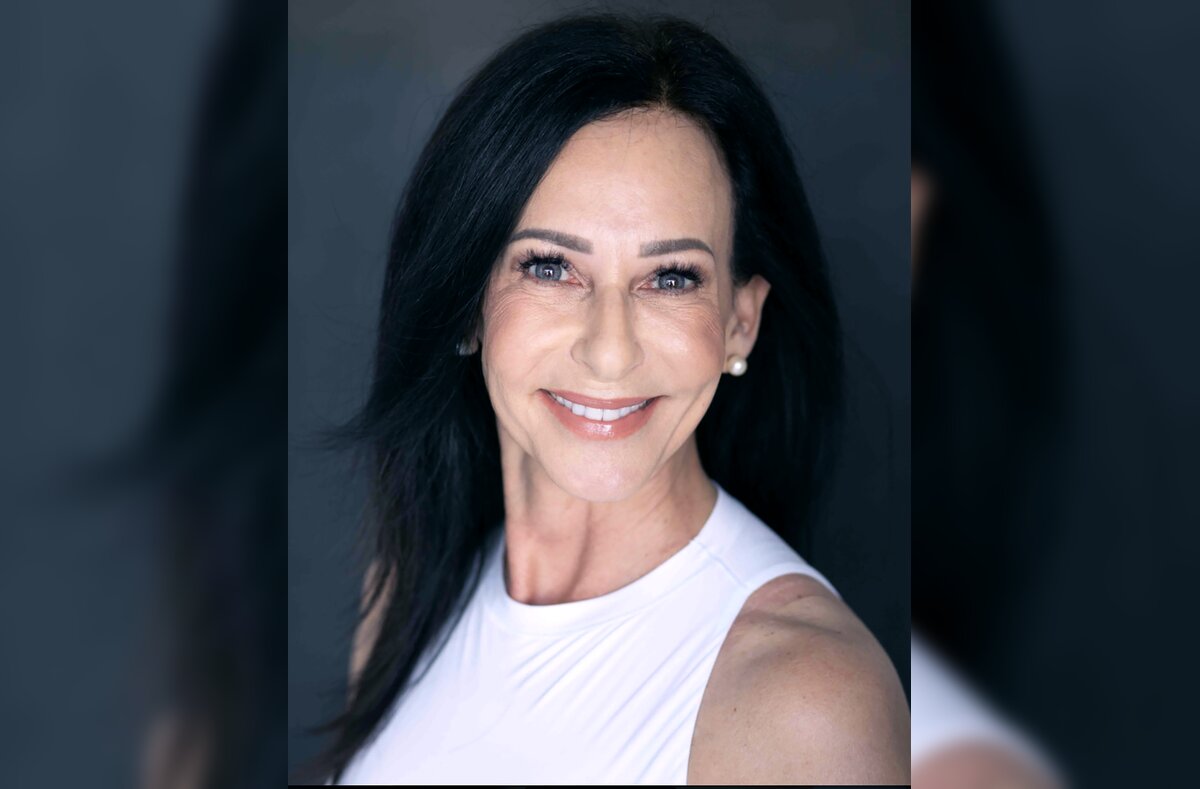
Francine Marks-Weinstein is a licensed mental health counselor providing telehealth services. She is also the author of Live Mindfully 52 Ways, a practical and accessible book offering simple tools to live with presence and clarity.
FrancineMarksWeinstein.com | francinemarksweinstein@gmail.com
Livemindfully 52 Ways Facebook/Instagram/UTube/TikTok