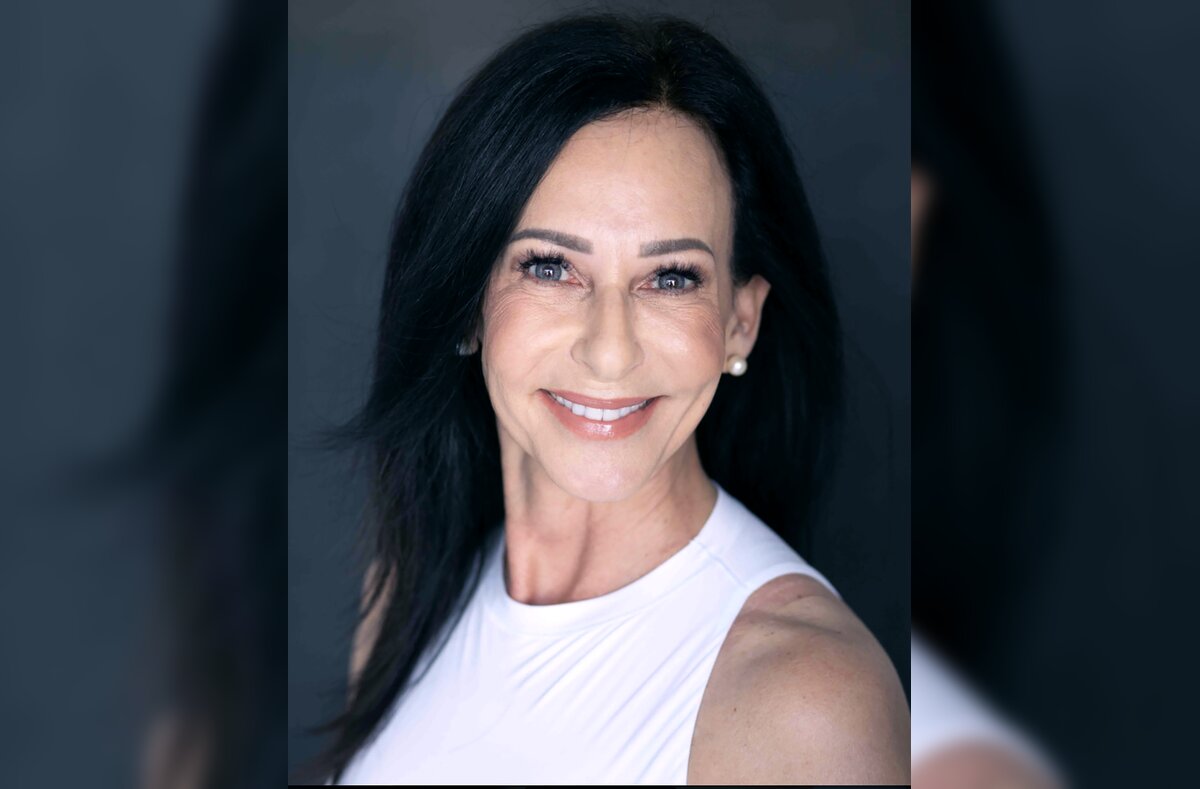
By Francine Marks-Weinstein, LMHC
Mindfulness is often misunderstood. For many people, the word immediately brings to mind sitting still, closing the eyes, and quieting the mind. If that feels difficult or even impossible
you’re not alone. Especially for those living with anxiety, trauma, or chronic stress, traditional meditation can feel inaccessible or activating rather than calming.
Mindfulness is not meditation.
Mindfulness is awareness.
As a licensed mental health counselor, I often remind clients that mindfulness is about noticing the present moment without judgment, not controlling thoughts or forcing calm. And for many LGBTQA+ individuals, whose nervous systems are frequently shaped by hypervigilance, minority stress, and the need to stay alert, mindfulness needs to meet real life, not ask us to escape from it.
This is where the senses become powerful allies.
Mindfulness can happen while brushing your teeth, walking to your car, washing dishes, or listening to a familiar song. It can be as simple as noticing the temperature of the water on your hands, the texture of clothing against your skin, or the rhythm of your breath as you move — not changing it, just noticing it.
In Live Mindfully 52 Ways, I focus on daily and weekly practices that integrate mindfulness into everyday moments. These practices don’t require silence, stillness, or extra time. They invite awareness through sight, sound, touch, taste, and smell helping the body reconnect with the present moment when anxiety pulls us into the future or the past.
Anxiety often lives in the body.Racing thoughts are only part of the experience. When we engage the senses, we offer the nervous system something steady and concrete to anchor to.
This doesn’t eliminate anxiety but it can soften its grip and create space to breathe.
Mindfulness is not about doing it “right.” It’s about returning.
Returning to the moment. Returning to the body. Returning to yourself again and again.
If sitting still feels like too much, let mindfulness move with you.
Let it show up in ordinary moments. Let it be practical, flexible, and kind.
You don’t have to meditate to be mindful.
You just have to notice that you’re here.
Francine Marks-Weinstein is a licensed mental health counselor providing telehealth services. She is also the author of Live Mindfully 52 Ways, a practical and accessible book offering simple tools to live with presence and clarity.
FrancineMarksWeinstein.com | francinemarksweinstein@gmail.com
Livemindfully 52 Ways Facebook/Instagram/UTube/TikTok