By Jazmira Guzman, Nova Southeastern University
When visiting Fort Lauderdale, there are plenty of tourist spots. But if you’re looking for something beyond the expected, Bonnet House Museum and Gardens may be what you’re seeking. With its historic and whimsical architecture, tropical grounds, and deeply personal stories, the Bonnet House is more than a museum—it’s a living portrait of South Florida’s artistic and environmental heritage.
For Patrick Shavloske, CEO of the Bonnet House, the property is “a place where you get a sense of the past, the sense of the people who lived here, and the way that they lived.”
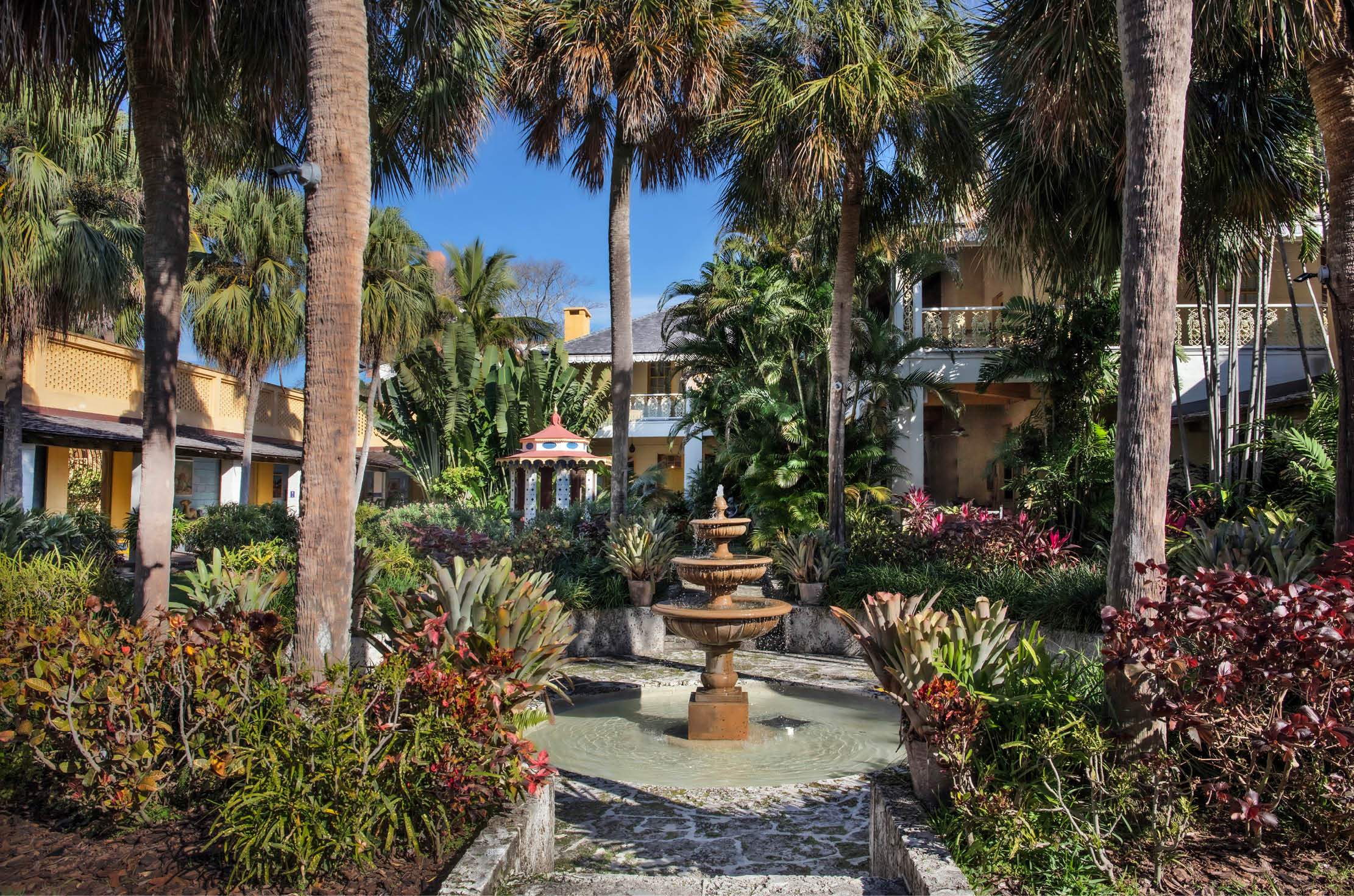
Originally built in 1920 by Chicago artist Frederic Clay Bartlett as a winter home, the Bonnet House is a canvas where art and nature meet.
“Everything that you see on this property was a decision made by someone who had an artistic eye,” says Shavloske.
Bartlett’s artistic spirit is evident in every corner, from hand painted ceilings to playful sculptures to gardens, making the house a living representation of Bartlett and his wife Evelyn, who was also an artist.
“The Bartletts used this as a vacation home, and they infused it with their personality,” Shavloske added.
That personality remains the central part of the experience today, guided towards offering glimpses into the couple’s eclectic lifestyle and creative passions.
But the Bonnet House isn’t just a time capsule of family history—it is also a critical piece of environmental conservation. Spanning 35 acres along North Fort Lauderdale Beach Blvd, it also represents some of the last undeveloped coastal lands in South Florida.
“We’re preserving not only the art and architecture but the environment itself,” says Shavloske.
The museum’s mission goes beyond storytelling; it’s about safeguarding the legacy of the land.
“It’s an example of what Fort Lauderdale looked like before all of the development,” says Shavloske.
Community engagement is another pillar of Bonnet House’s mission. The museum hosts a variety of events throughout the year – from garden concerts and orchid festivals to weddings and banquets, all designed to infuse history and culture into each event.
“We see the Bonnet house as a place where people can connect, learn, and be inspired,” Shavloske said.
As South Florida continues to evolve, the Bonnet House stands as a reminder of what once was—and what can still be cherished. Its fusion of history, art, and nature makes it one of a kind in a region often known for its fast pace and modernity.
“When people come here, they slow down. They breathe. They leave with something they didn’t have before,” says Shavloske.
Jazmira Guzman is a student reporter in NSU’s feature writing course taught by Dr. Megan Fitzgerald in the Department of Communication, Media, and the Arts.