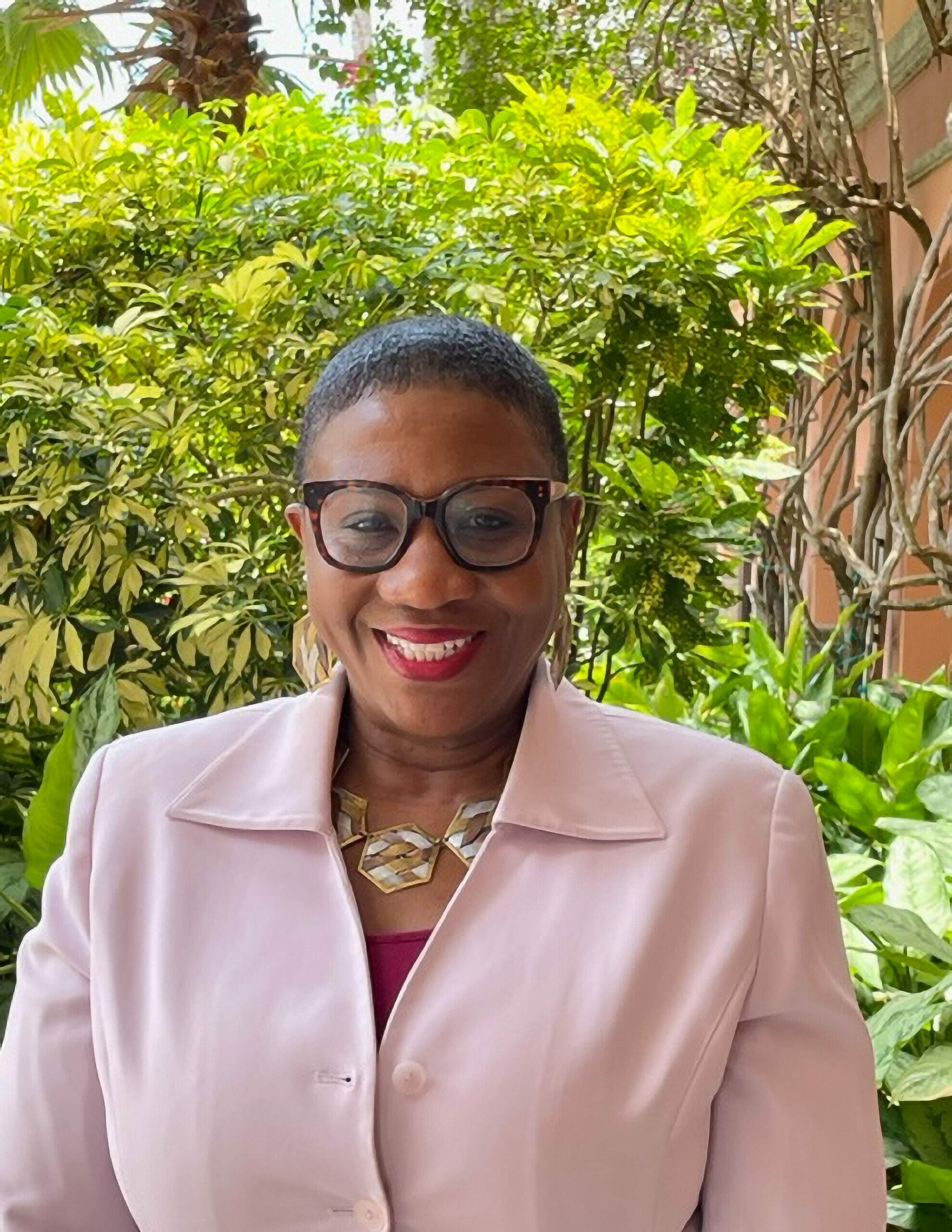
By Dr. Sandra Cumper Boynton – Executive Director, NAMI Broward County
Suicide rates increased by approximately thirty-six percent between 2000 and 2021 and were responsible for 48,183 deaths in 2021. This represents about one death every 11 minutes. The number of people who think about or attempt suicide is even higher. Friends and family remain at a loss when a suicide-related crisis occurs, they are often caught off-guard, are unprepared, and unsure of what to do. The behaviors of a person experiencing a crisis can be unpredictable, changing dramatically without warning. Research has found that 46% of people who die by suicide had a known mental health condition and 90% have experienced symptoms of mental illness. Other factors which may put a person at risk of suicide are physical disorders, substance use, access to firearms, history of trauma or abuse, recent tragedy or loss, relationship problems, and gender. Although more women than men attempt suicide, men are four times more likely to die by suicide. Suicidal thoughts are symptoms that can be treated and improved over time.
Suicide is NEVER the answer! Suicide refers to cases of death, that result from the direct or indirect act of the victim with the intent of taking their own life. Suicide affects people of all ages and is among the top nine leading causes of death for people ages 10-64 and the second leading cause of death for people ages 10-14 and 20-34. Comments or thoughts about suicide, also known as suicidal ideation, can begin small for example, “I wish I wasn’t here” or “I am a burden to others.” Subsequently, the comments can become more specific and dangerous leading to feelings of guilt or shame and a desire to die. Thoughts of suicide can be alarming, but by asking for help or checking in with loved ones, we can avoid harmful and even fatal endings.
Emile Durkheim determined that there are four diverse types of suicides. Egoistic suicide relates to the absence of social integration and is pertinent to individuals who consider themselves as outcasts or loners. They view suicide as a release from isolation and loneliness. Altruistic suicide occurs when social group involvement is too high; these individuals’ connection to the group is so intense that they are willing to sacrifice their own life, in honor of the cause. Anomic suicide occurs when individuals lack social regulation. Facing sudden and unexpected changes in situations leads to increased stress and frustration that can push individuals to turn to suicide, as a way of avoiding the situation. Fatalistic suicide occurs when individuals are kept under tight regulation. These individuals are placed under extreme rules or lofty expectations are set upon them, which removes their sense of self or individuality. These people feel that they are predestined to be in such conditions and choose suicide as the only means of escaping such conditions.
Language Matters! Using language that is helpful and respectful encourages an environment free of stigma, where people can talk more openly and safely about suicide and its prevention. Words matter in a world where silence or insensitivity can make matters worse. The more we are open and safe in our communication, the more likely it is that people can offer or seek help. If you are feeling suicidal, you are not alone and there is support available. You deserve to feel supported. Some people find it helpful to create a “safety plan.” This is a tool developed for helping someone navigate suicidal feelings and urges.
Warning Signs of Suicide:
- Increased alcohol and drug use
- Aggressive behavior
- Withdrawal from friends, family, and community
- Dramatic mood swings
- Impulsive or reckless behaviors
Reach out and support someone in a suicidal crisis.
- Always take seriously any talk of a person being or feeling suicidal.
- If you are concerned about somebody being suicidal, ASK them if you feel comfortable doing so. Talking to someone openly about suicide does not increase their risk of suicide.
- Try to use clear and direct language, for example, “I care a lot about you, do you feel suicidal?”
- People with lived experience of suicide have emphasized how helpful it is to have someone to talk to who listens.
- Listen! Do not try to produce solutions. Listening, and supporting the person in crisis helps to explore options for seeking help and safety.
- Encourage the person to seek help from a behavioral health professional.
- Help Support the person by being there for them when they call a helpline or make an appointment with a health professional.
- Take care of your own mental health and well-being and seek support of your own.
If you or someone you know is struggling or in crisis, help is available. Call or text 988 or chat 988lifeline.org to reach the 988 Suicide & Crisis Lifeline.
About NAMI Broward County
The families and members of NAMI Broward County are here to help! We offer understanding to anyone concerned about mental illnesses and the treatment of mental illness.
Mental illnesses are brain disorders that are biologically based medical problems. Untreated, they can cause severe disturbances in thinking, feeling and relating. This results in substantially diminished capacity for dealing with the ordinary demands of life. Mental illness can affect persons of any age and occur in any family. They are not caused by bad parenting and not evidence of weakness of character.

Mission & History
NAMI was founded in Madison, Wisconsin by Harriet Shetler and Beverly Young. The two women both had sons diagnosed with schizophrenia, and “were tired of being blamed for their sons’ mental illness”. Unhappy with the lack of services available and the treatment of those living with mental illness, the women sought out others with similar concerns. The first meeting held to address these issues in mental health led to the formation of the National Alliance for the Mentally Ill in 1979. In 1997, the legal name was changed to the acronym, NAMI.