November 29–30, 2025
By Sara Menco Arenas, Nova Southeastern University
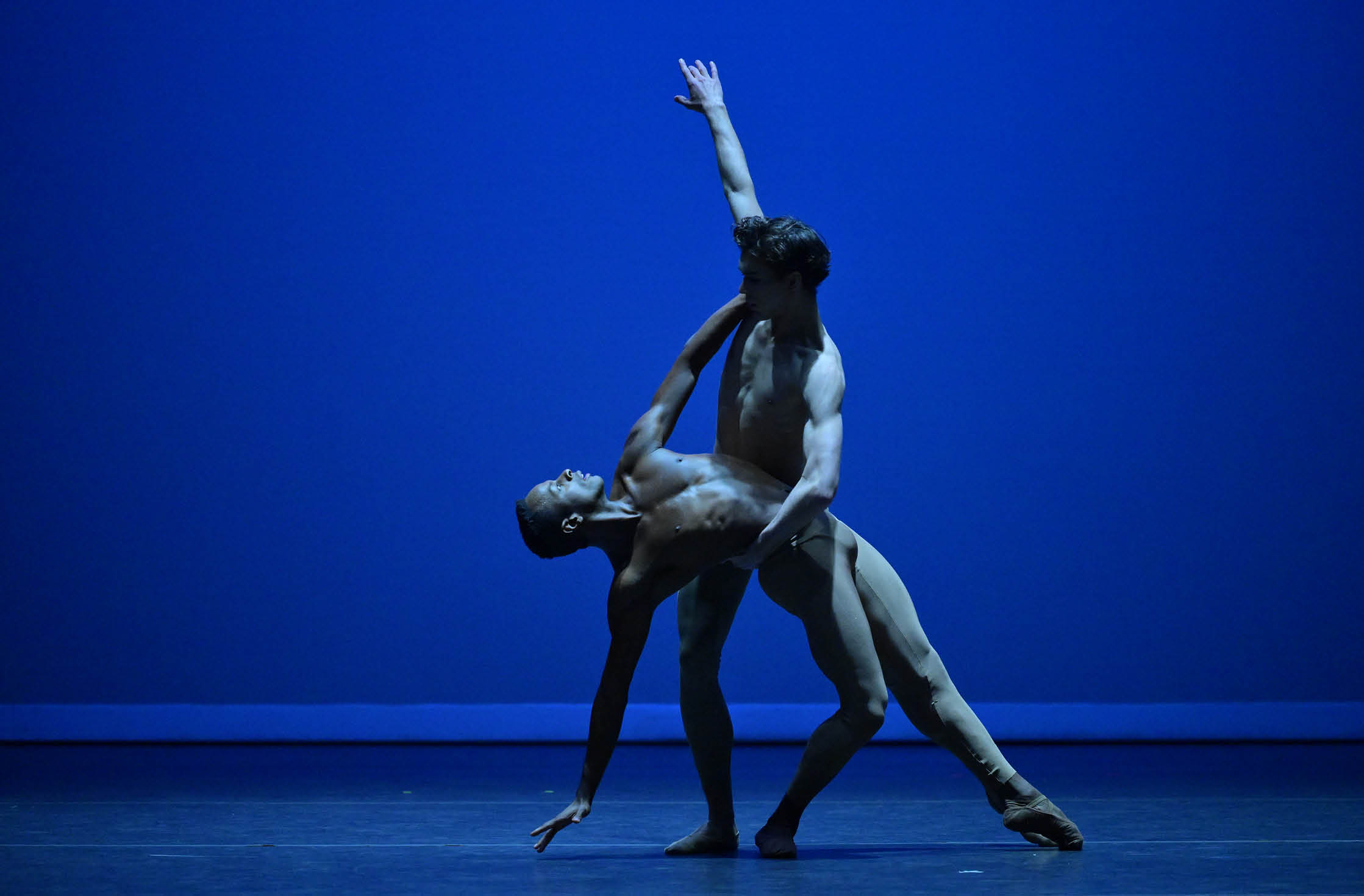
Men Who Dance, the largest all-male dance festival in the United States, returns to the Broward Center for the Performing Arts Nov. 29–30, 2025, for its sixth year of boundary-breaking performances.. The two-day event will feature dancers from around the world, showcasing diversity, expression and artistry.
This year’s lineup includes dancers from renowned companies such as Miami City Ballet and Repertorio Español, and for the first time, the Jon Lehrer Dance Company. It will also feature tango champions, Argentinian gaucho dancers and a variety of international dance companies.
“You could say that for Men Who Dance, the stage becomes the meeting place where boundaries are broken down,” said Rafi Maldonado-Lopez, artistic director of Men Who Dance and principal managing director of Sanctuary of the Arts. “From when it started, the purpose was to normalize the idea of seeing men dance.”
For Maldonado-Lopez, the festival is also part of a bigger vision. Presented under the Inter-American Choreographic Institute (ICI) with Maldonado-Lopez as artistic director, Men Who Dance is one of several productions that connect international dancers while fostering new opportunities for male dancers.
Born during COVID-19, Maldonado-Lopez credits the Broward Center as the first organization to take the risk, securing CDC approval to host the festival in its theater in the middle of the pandemic.
“It was the first major dance show back in theaters after all of them had been closed, so it actually made history back then,” said Maldonado-Lopez. “Because of travel restrictions, we only had dancers from the U.S., 15 dancers representing eight countries.”
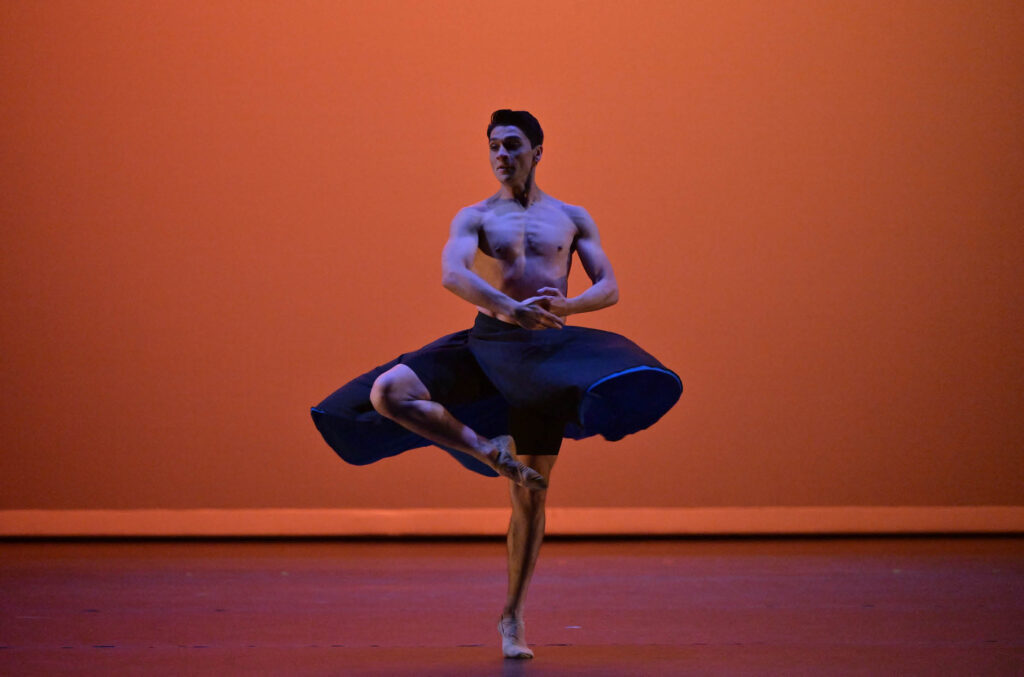
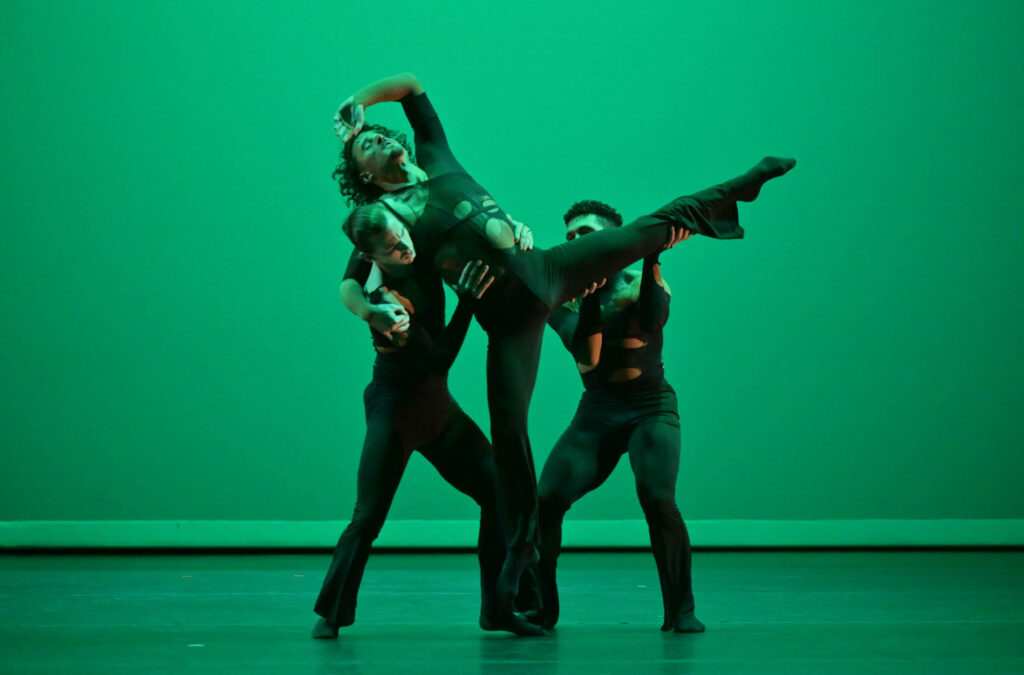
Now in its sixth year, Men Who Dance has grown into a two-night event featuring more than 40 performers from over 20 countries. Each program blends styles from ballet and contemporary to tango, tap and folk dance.
“What we want to show is that South Florida does have artistic excellence and Men Who Dance really, really pushes that,” said Maldonado-Lopez.
Beyond the show, Men Who Dance also challenges traditional ideas of masculinity in performance. The festival offers audiences a chance to see men not only as the “frame figure” of women in ballet or contemporary works but as the central storytellers and protagonists on stage. That vision extends to inclusivity, welcoming dancers from around the world as well as LGBTQ+ performers and artists working in drag. Maldonado-Lopez said the festival opens space for self-expression across identities and styles, reflecting the diversity of male dancers today.
“We do global auditions, and somebody said to me, ‘Rafi, what about trans men?’ And I said, the festival is for anyone who identifies as male, period. I hold no judgement on that,” Maldonado-Lopez said.
He added that the stage ultimately serves as a place to challenge society’s assumptions.
“We create a safe space for exploration about what is masculinity? Who defines that?” he said.
That mission also extends beyond the stage into schools and classrooms, where Men Who Dance hopes to inspire young dancers by showing the artistry, athleticism and the power of breaking down stereotypes.
Maldonado-Lopez is currently working with Miami-Dade County Public Schools to develop a dance and movement curriculum that shows students dance can be both athletic and expressive. He notes that inspiring young audiences remains one of the festival’s most important goals.
“I think of those kids in 10 years, 12 years — what are they going to bring to Men Who Dance when they’ve grown up with dance being part of their school?” he said.
After years of building recognition, companies and organizations are now coming to them first, rather than the other way around.
“Every year we put out the word — at first we used to have to go and kind of knock on people’s doors,” said Maldonado-Lopez. “Now they knock on our doors. The only qualifier is it has to be at a professional level.”
With that growing recognition, Maldonado-Lopez’ vision now extends beyond the stage itself — towards redefining how major venues engage with locally produced work.
“Over here, we have men from all over the world doing spectacular things, but they think of us as the presenter,” he said. “You see, Broadway shows are presented here. What if we started doing it the other way around—if we start becoming the producers and they start becoming the presenters?”
With this goal in mind, Men Who Dance continues to use each performance to foster an inclusive environment, serving as a unifying force for dancers from around the world.
“Of course, the dancers’ repertoires are different and their backgrounds and cultural identities come through in their pieces,” said Luka Gotsiridze, multimedia communications and engagement specialist at Sanctuary of the Arts. “But it all comes together in a way that you understand we have so much in common rather than differences—that this is the shared humanity that we see on stage.”
That shared humanity, expressed through daring choreography and a mix of styles, gives this year’s festival its energy and purpose.
“I would say it’s eclectic and yet cohesive. Spectacular and boundary-pushing,” Maldonado-Lopez remarked.
Sara Menco Arenas is a student reporter in a journalism course taught by Dr. Megan Fitzgerald in NSU’s Department of Communication, Media, and the Arts.