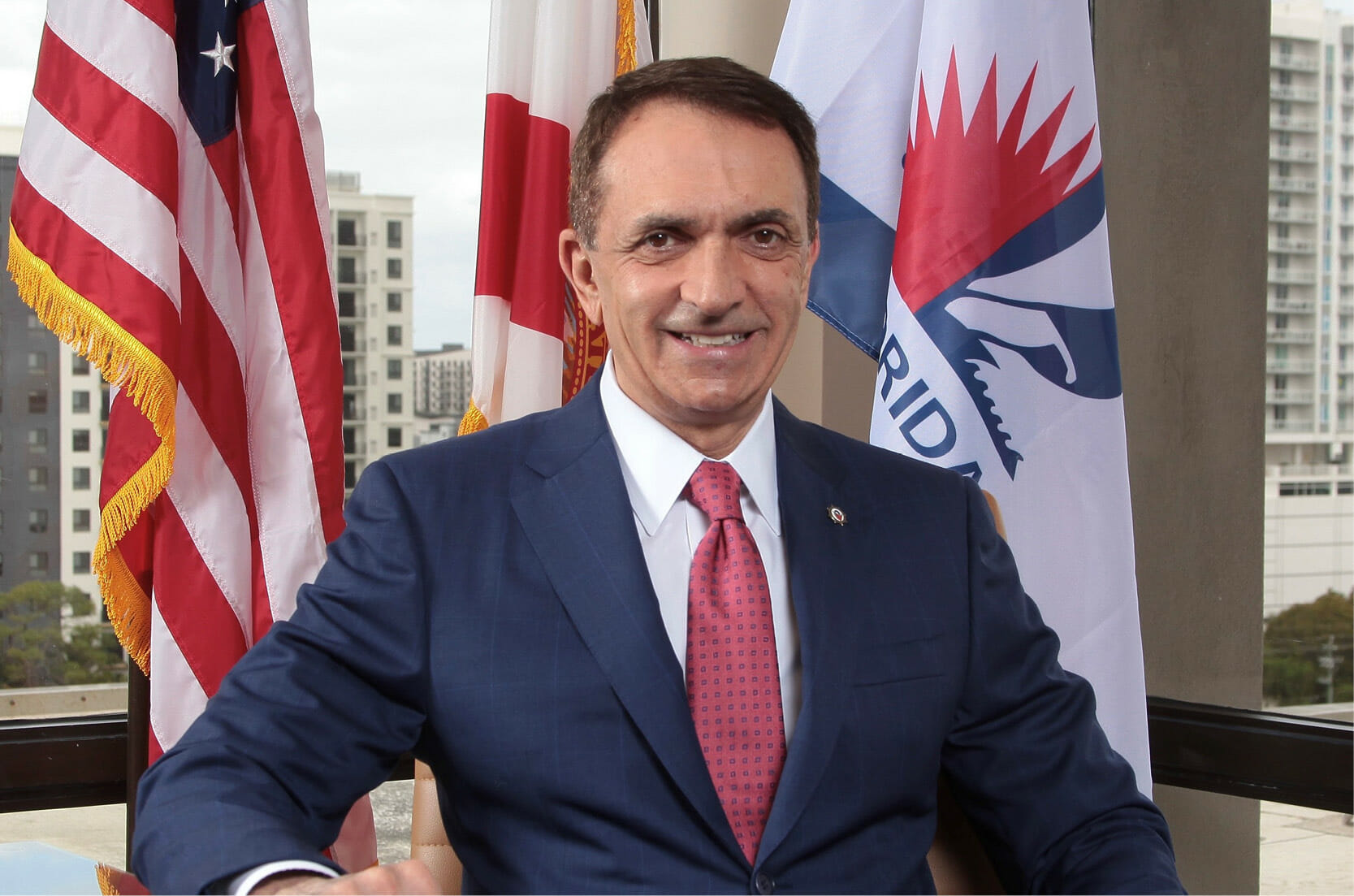
By Mayor Dean Trantalis
As summer comes to an end and our children have returned back to school, it seemed as if heading into the fall season would find ourselves mostly focused on our main priorities: our efforts to combat homelessness, strengthen our infrastructure, and preserve our beloved waterways.
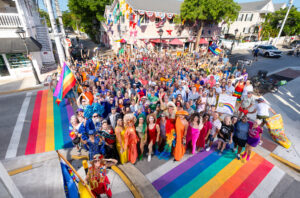
But come to learn, our state government decided that these were not their priorities, but in fact, their most pressing concern is painted intersections in our roadways. Like most cities in our state, highlighting intersections and crosswalks with bright images leads to fewer pedestrian and vehicular accidents.
This is proven not just empirically, but the folks at Bloomberg did a major study and the results clearly show how brightly colored intersections and sidewalks greatly enhance public safety.
Nonetheless, the state demanded that it and every other painted area on our streets be removed. Imagine. This is what keeps them up at night, besides corralling immigrants in the swamp.
But your City Commission decided this was too much and has refused this effort by the state to dictate what we do here in our home city. In particular, Sebastian Street is not a state road nor under the state’s jurisdiction in any manner.
Back to priorities. As we look to fiscal year 2026, the budget plan is community-focused and forward-looking. Here’s how it champions our shared priorities:
We are deeply committed to public safety — the bedrock of a thriving city. The budget makes clear that law enforcement and emergency services are the foundation of the work we do. Of the general fund, about 36 percent is dedicated to the Police Department and 25 percent to Fire Rescue. That adds up to nearly two-thirds of your tax dollars dedicated directly toward keeping you safe and our city secure.
Beyond the basic funding for our first responders, this budget takes further action to increase safety. We’re buying more CCTV cameras to observe high-traffic areas along with more vehicle stop devices and more license plate reader message boards. We also will open the new police station and launch a pilot program to enforce speed limits in school zones with traffic cameras.
We’re also making meaningful progress on homelessness response by allocating resources to pathways out of homelessness and into stable housing.
The third pillar of our priorities is infrastructure and resilience—essential for adapting to climate impacts and ensuring we keep pace with growth. We accelerate infrastructure projects to improve the water, wastewater, stormwater systems and make us more resilient to sea-level rise and extreme weather.
Fourth, our public enjoyment of waterways remains a treasured tradition in Fort Lauderdale—and a formal Commission priority. We intend to continue fostering vibrant and environmentally responsible waterfront spaces for all residents. After all, it’s our waterways that make Fort Lauderdale truly unique.
We expand our program that regularly provides reports on the quality of waters in the city’s canals and rivers so recreational enthusiasts have all the information they want when they venture out for a day of activity.
The budget is balanced, responsive, and ambitious — built for today’s needs and tomorrow’s opportunities. Together, we’re building a safer, more caring, more resilient, and water-loving Fort Lauderdale.
Sincerely,
Dean