There’s a growing assumption in modern life that spirituality is just decorative. Pleasant music, soft lighting, maybe a comforting story for people who cannot quite handle reality. In a world run by algorithms, data, and deadlines, faith is often dismissed as a relic, emotionally soothing but intellectually obsolete.
That assumption is wrong, not sentimentally wrong, but measurably wrong.
We are living through a sustained stress experiment. Constant notifications, endless news cycles, social media outrage, and the quiet pressure to be reachable at all times are steadily eroding our nervous systems. Anxiety is rising. Burnout is common. Even rest feels thin. The human brain was never designed for perpetual alertness, yet modern life demands exactly that.
This is where spiritual practice stops sounding quaint and starts sounding like neuroscience.
Practices rooted in spirituality consistently activate the parasympathetic nervous system, the part responsible for rest, digestion, and emotional regulation. This is not speculation. It is documented across psychology, trauma studies, and neurobiology. What religion has long called prayer, sacred silence, and compassion, science increasingly recognizes as nervous system repair.
Centering prayer is a clear example. It is not about thinking harder or asking for miracles. It is about intentional stillness. Sitting quietly, returning to a sacred word or the breath when the mind wanders, trains the brain to disengage from constant threat scanning. Studies show reduced cortisol, improved emotional regulation, and greater resilience under stress. In plain language, it helps the body remember how to calm itself.
Meditation works in much the same way. Whether framed spiritually or secularly, regular meditation increases gray matter density in areas associated with focus, empathy, and self-awareness. It strengthens attentional control in a world designed to fracture it. This is why even institutions that once scoffed now promote mindfulness. They have discovered what contemplatives knew long ago.
Acts of kindness and compassion matter too. Altruistic behavior releases oxytocin and dopamine, reinforcing social bonding and emotional stability. Compassion pulls us out of the isolating spiral stress feeds on. Doing good quite literally grounds us.
Then there is community. Human beings regulate emotionally through connection. Faith communities, at their best, provide rhythm, belonging, and shared meaning. Isolation amplifies stress. Shared ritual and presence reduce it. This is not poetry, it is physiology.
Spirituality, then, is not an escape from reality. It is a way of staying present without being consumed. If you have drifted away, consider this an invitation rather than a correction. Start small. Practice stillness, compassion, and connection. In a culture that profits from your distraction, this is a quietly radical act.
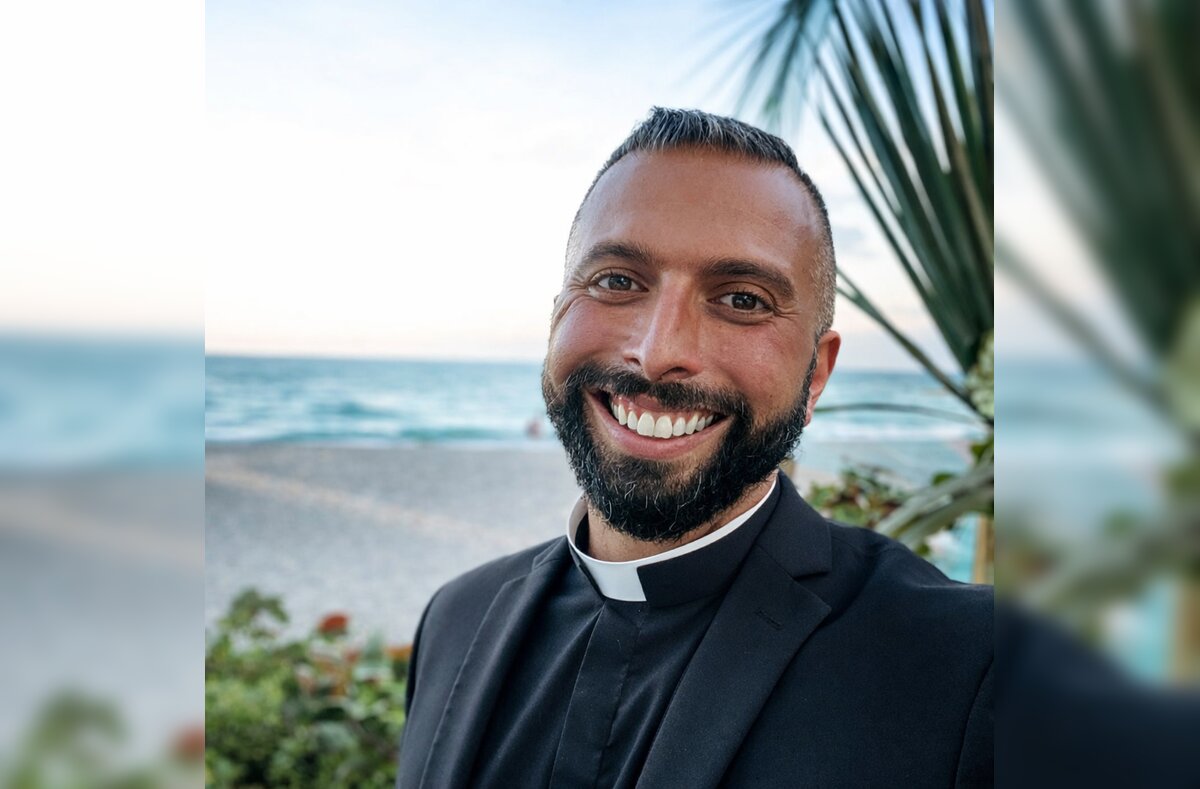
Father Rich Vitale is an Old Catholic priest, writer, and media creator whose work focuses on resilience, spiritual practice, and emotional health in a hyperconnected world. Through his publication Message from the Margins, he blends theology, psychology, and lived experience to help people stay grounded without abandoning reason.