South Florida is changing. How we carry one another through that change will say something about who we are
Recently, I have noticed that the conversations in Wilton Manors and South Florida in general have grown sharper.
Familiar places are closing. New businesses, new developments, and new ideas are coming into the neighborhood, with no shortage of discussion about when they will arrive, how they will get here, who will want them, how the city will accommodate them, and what any of it will mean for the future of our city.
There have been betrayals and false promises, too. People have arrived promising to “save LGBTQ” spaces, only to leave beloved businesses bankrupt, broken apart, or gone altogether. Add an election year, and beloved neighbors can find themselves drawn into the kind of spirited debate that only local politics seems able to create.
I am in most of the Wilton Manors Facebook groups, as many of us are, and more than a few group chats besides. By the time a disagreement makes its way onto Facebook, it is rarely long before the screenshots begin arriving on my phone.
You know the three fastest forms of communication: telephone, television, and tell a gay.
I laugh, but only partly.
The arguments often carry more weight than the subject in front of us. People are worried about the future of the neighborhood. They are grieving places that helped form their lives. They are angry about promises that were broken and trust that was abused. Money is tighter. Costs are rising. Tourism has shifted. The politics coming out of Tallahassee have returned to queer life with an ugliness many of us hoped had been left far behind.
Canadian travel to the United States fell by roughly one-quarter last year, and Florida experienced a significant decline in Canadian visitors of its own. That lands especially hard in South Florida, where tourism has supported our hotels, restaurants, bars, performers, and neighborhood businesses for decades.
Wilton Manors gets hit twice. Florida’s political leadership attacks LGBTQ people in ways that make visitors question whether they want to support the state. Some decide to stay away. Their anger is understandable, but the money they withhold does not come directly out of Tallahassee. It disappears from hotel bookings, dinner checks, bar tabs, show tickets, and performers’ tips in one of the most visibly queer communities in the country.
Before financial pressure appears in an official report, it often shows up in an entertainer’s tip bucket.
Our performers have received a great deal of sympathy, and they deserve it. Sympathy, however, does not pay the bills. Neither does nostalgia. We can love a place, celebrate what it once meant to us, and still fail to support the people who, in many ways, are its beating heart.
This is not a group-hug piece. In my lucky thirteen years of ministry, I have found that calls for everyone to simply be nicer can dismiss the concerns that made people angry in the first place. Some wounds are real. Betrayals should be confronted. Broken promises should be remembered. Decisions that may reshape a neighborhood deserve serious scrutiny.
The question is how we do those things without losing one another in the process.
Jesus told us to love our neighbor. He did not say we would always like our neighbor, agree with our neighbor, vote for our neighbor, or approve of every business decision our neighbor makes. Love is more demanding than politeness. It asks us to recognize that the person across from us remains human, even when conflict has made it easier to reduce them to a villain.
A community under strain can begin turning its fear inward. We punish whoever is close enough to reach. We treat disagreement as betrayal. We pass along screenshots because outrage gives us a quick sense of belonging. We become so intent on proving that someone else is wrong that we stop asking whether our own behavior is helping the place we claim to love.
Accountability is necessary. Public blood sport is not.
Love of neighbor can look like supporting a performer when we are able, visiting a local business before its farewell weekend, sharing an event, checking on someone whose work has dried up, or bringing a friend out on an ordinary Thursday night. For someone with little money to spare, it may mean offering encouragement, helping promote a fundraiser, volunteering, or refusing to pile onto a person who is already being torn apart online.
It also means expecting better from the people who hold power. Community does not require us to excuse exploitation, poor leadership, unpaid bills or wages, or careless decisions. Love can tell the truth. It can demand repair. It can say, “You hurt people, and this needs to be made right,” without deciding that another human being is beyond dignity.
Resilience is often discussed as though it were an individual talent, the ability to grit our teeth and withstand more pain. Communities endure differently. They distribute the weight. Those with money contribute money. Those with influence create opportunity. Those with time offer time. Those with strong backs carry more for a while. Those who can sing lift our spirits in song. Those who preach spread the good news. Those who are exhausted are allowed to rest without being forgotten or left behind.
No one can save every venue, attend every show, settle every argument, or protect Wilton Manors from every political and economic force bearing down upon it. We can decide what kind of neighbors we will be while the city changes around us.
Wilton Manors will change. Every living community does. Some changes will bring new life, while others will require resistance, grief, or repair. Through all of it, we still belong to one another.
Perhaps that is the work in front of us now: to tell the truth without destroying people, to fight for what is beloved without becoming cruel, and to remember that community is sustained by more than shared identity. It survives because people choose, again and again, not to leave one another carrying the whole weight alone.
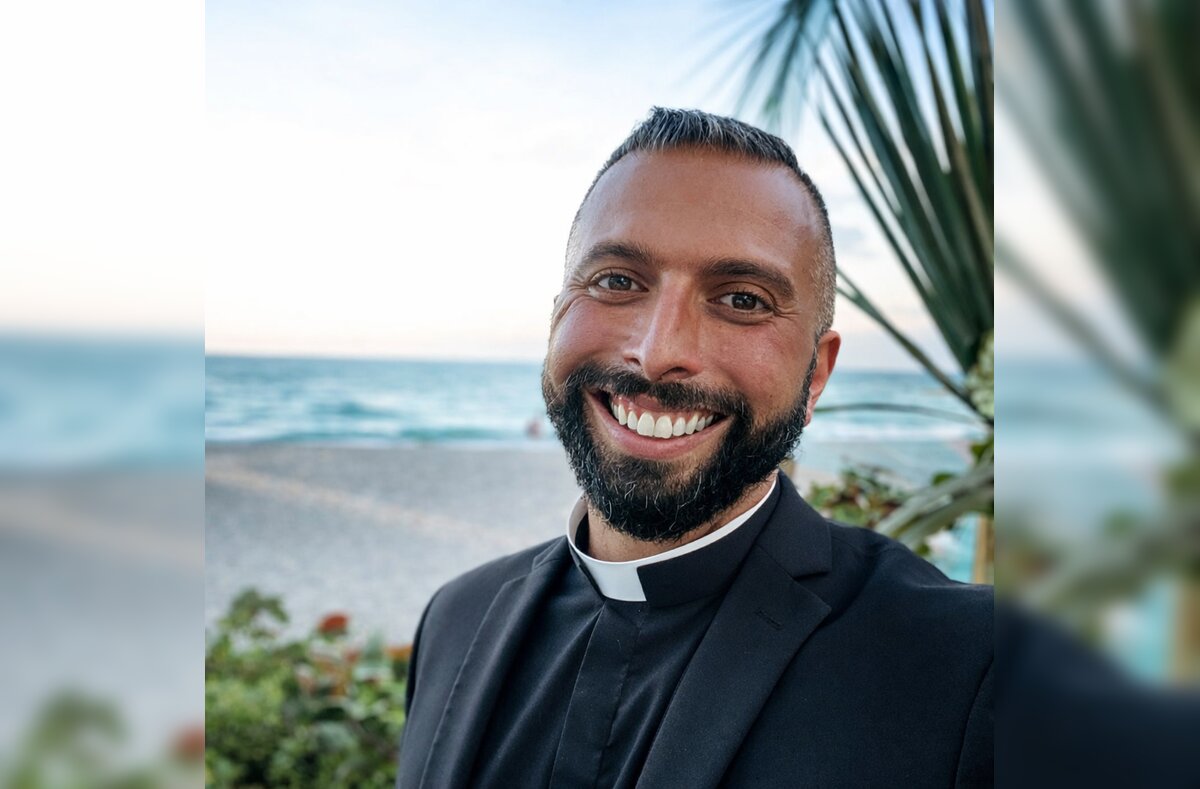
Father Rich Vitale is an Old Catholic priest, writer, and media creator whose work focuses on resilience, spiritual practice, and emotional health in a hyperconnected world. Through his publication Message from the Margins, he blends theology, psychology, and lived experience to help people stay grounded without abandoning reason. You can find his daily reflections at FatherRichV.Substack.Com