A Master of Theatre
By Denny Patterson
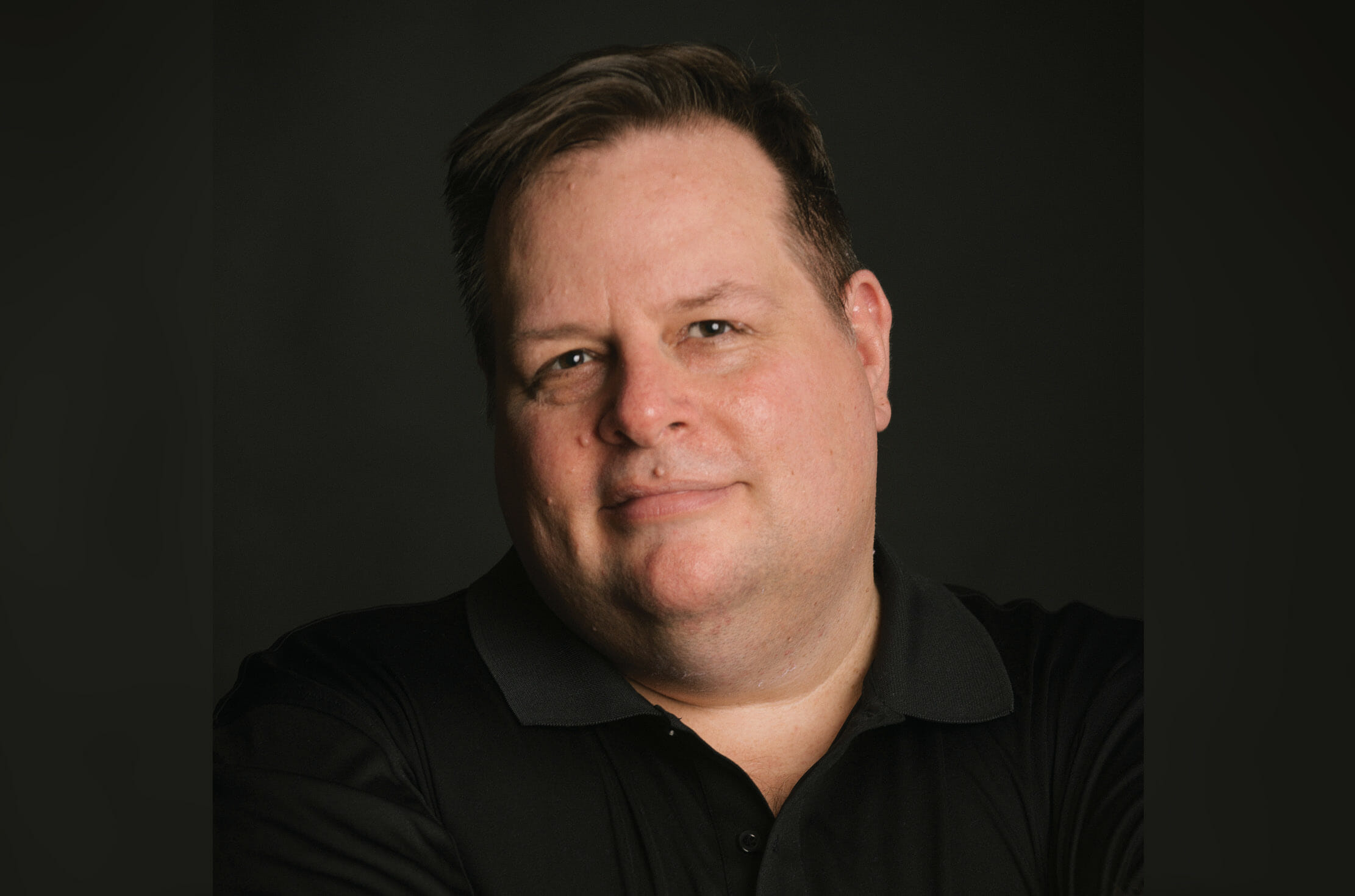
An actor, director, playwright, and producer, Ronnie Larsen is truly a Jack of all trades. Always bringing a specific edge to his productions, they may be considered risqué, but they are made for audiences who do not mind when the boundaries are pushed. Larsen’s work has been seen in most major cities across America, and here in South Florida, the magic happens at The Foundry in Wilton Manors. He is always in search of new and interesting adventures and opportunities, but above all, he hopes to tell a story.
OutClique had the opportunity to catch up with Larsen.
Denny Patterson: Thank you for taking some time to chat with me, Ronnie! Do you currently have any upcoming projects in the works?
Ronnie Larsen: We’re opening a musical that got shut down during COVID, so we’re bringing it back. It’s called Come Out! Come Out!, and it’s my favorite show I’ve ever done. It’s a tap dance show about gay men cruising for sex in Central Park in the 1920s. It’s so fun and interesting, and it’s period, so we have period costumes and vaudeville music. I really do love this show. It opens February 18, 2022, and it will run for a month. We’re hoping to take it Off-Broadway in the summer.
DP: You specialize in writing plays about sex. Why is this such a pivotal focus of yours?
RL: I have been obsessed with sex my whole life. Not just having sex, but looking for sex, prostitution, everything that has to do with sex has alway fascinated me. Growing up, I did a lot of Shakespeare plays, and I went to a prestigious acting school for that. Doing classical theatre, I would produce these plays, but people would ignore them. Nobody would come and the critics wouldn’t review them. So, a friend said to me one day, ‘You should write a play about your sex life. I bet a lot of people would come.’ I took his advice and wrote a play called Scenes From My Love Life, and it was very simple. It was literally just scenes from my sex life. Not like scenes of me having sex, but walking around in circles at a sex club for three hours cruising and talking on a phone sex line. To my surprise, this play was a hit. After my first play about sex opened August 4, 1994, everything changed. I started to make money, people were writing about my plays, people wanted to produce them, all this stuff happened. Then I met a guy who was in the porn industry, and I thought, I should write a play about this. I started writing all kinds of plays about sex, and they blew up. It was like, adios Shakespeare!
DP: But you also write non-sexual plays as well?
RL: Yes. I may be obsessed with sex, but I do have other plays that are non-sexual. The thing is, you have to make money in the theatre. I would tend to produce things that were commercial. So, if I lived in L.A. and went to Chicago to produce a play, I wasn’t going to go to Chicago if I thought the play was going to lose money. Now that I have my own theatre in Wilton Manors, I can balance it. I can do something really commercial, and then do something that’s not so commercial. Having my own theatre has really changed my life because I can now balance the work.
DP: What do you hope audiences take away from your productions?
RL: I always want people to laugh because I truly believe that laughter is the key to unlocking so much. When the whole audience is laughing out loud, it’s not just that it’s funny, but it’s a communal experience. It brings everybody together. Then once you have their attention, you can sell them something more serious. I always say, every playwright should have a laugh very early on. A big laugh. Even if it’s a drama, there should be a big laugh early on because it galvanizes and brings the audience together. Then they can relax. I do not like plays that have no laughs. I mean, come on. People are naturally funny. I don’t wake up saying I want to write a comedy to make people laugh, but I wake up saying I want to tell stories. One of the ways to tell stories and get people to listen is by bringing them in with humor first. Then you can give them more.
DP: Before we wrap up, are there any other upcoming projects or anything else you would like to mention or plug?
RL: I would just like to say, it is very important what you are all doing because the gay press is dying all over the country, and it’s horrible. In the olden days, the 90s, gay papers would write about the shows, write reviews, but everything has changed so much. So, please know that the work OutClique is doing is really important. We need gay writers to write about gay theatre and gay art. We need those voices.
To stay up-to-date, connect, and purchase tickets for Come Out! Come Out!, visit RonnieLarsen.com.