An interview with Robert Kool Bell of Kool & the Gang
By Gregg Shapiro
Since 2019, the Ultimate Disco Cruise has been taking adherents of the genre on a voyage to the heyday of strobe lights, smoke machines, BPM (beats per minute), and unforgettable memories. Some of those memories are conjured from the past and some are made in the present. As one of the acts that has been booked to perform on all three cruises, including the upcoming Ultimate Disco Cruise 2022, Kool & the Gang know something about being unforgettable.
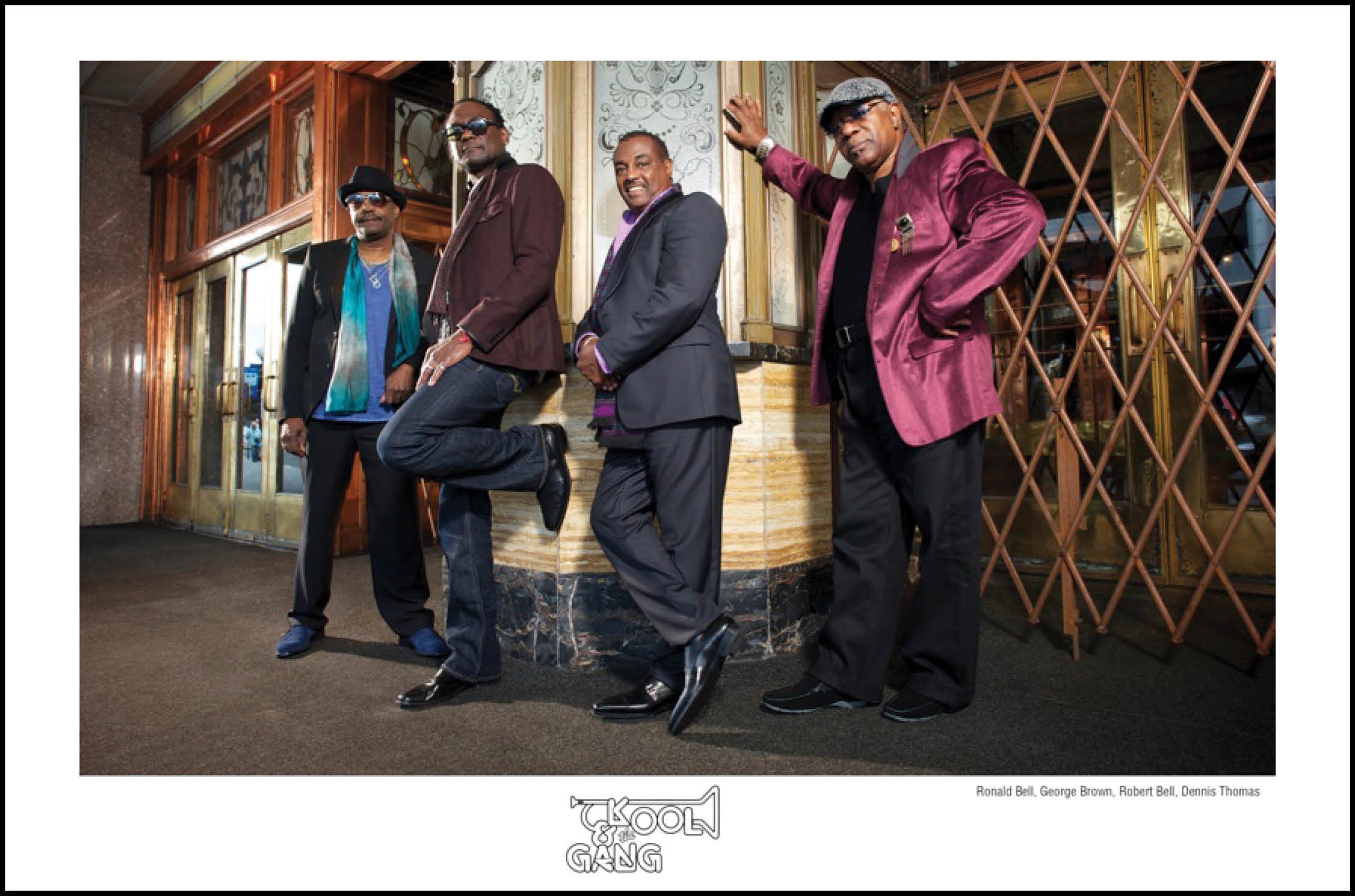
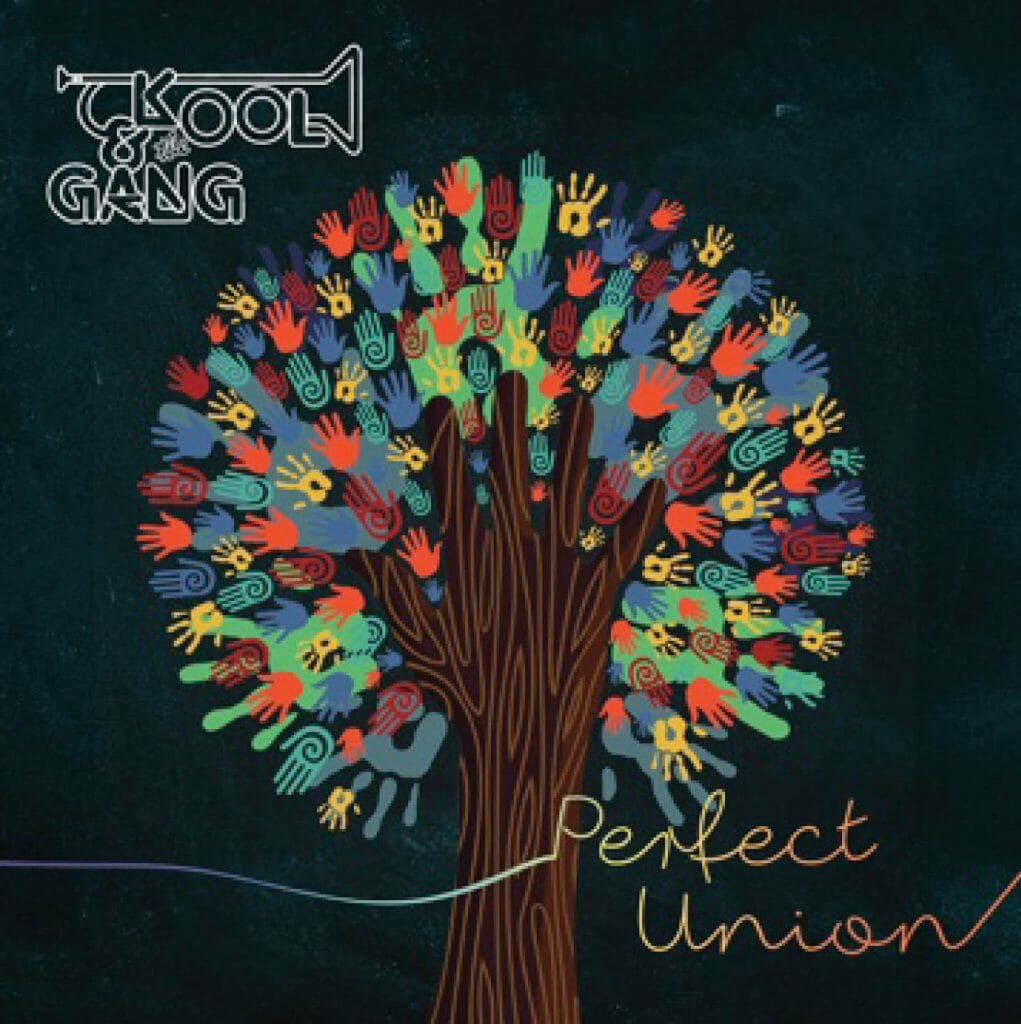
Initially a hardcore R&B and funk unit, Kool & the Gang achieved its greatest success when it became a disco crossover, with hit singles including “Celebration” and “Ladies Night.” The group has suffered some unfortunate losses in the past year, including the passing of original members Ronald Bell and Dennis “D.T.” Thomas. But there is still some joy to be had as Kool & the Gang just released Perfect Union, its first new studio album in 10 years. Founding member Robert Kool Bell was kind enough to sit down for an interview in advance of the Ultimate Disco Cruise.
Gregg Shapiro: For those not in the know, I’d like to begin by asking you to tell the readers how you earned the Kool nickname.
Robert Kool Bell: That goes back many years ago. My brother and I were born in Youngstown, Ohio. We moved to Jersey City, New Jersey in 1960. Things were kind of rough during that time. I was young, he was young. I noticed that they had (nick)names in the neighborhood. The neighborhood wasn’t the best. I tried to fit in. I came up with the idea to call myself Kool [laughs]. There was another named Cool, but he spelled it with a C. I said, “I’m going to spell mine with a K.” That became my middle name. That’s before we became Kool & the Gang. It was a street name.
GS: Continuing on a similar historical subject, is that how the name for the group, Kool & The Gang, came about?
RKB: We had several names. The first name we called ourselves was the Jazziacs, because, at a young age we were listening to more jazz artists. My brother listened to John Coltrane. Spike Mickens was into Freddie Hubbard. D.T. (Dennis Thomas) was into Cannonball Adderley. George (Brown) liked Philly Joe Jones. Then we changed the name to the Soul Town Band because we became the backup for the Soul Town Revue which was following the Motown Revue. We had to learn all these Motown songs. We did that for a couple years and then we moved on. We came up with Kool & the Flames. When we met our first manager and producer Gene Redd, his father had been out on the road with Mr. James Brown, he said, “You can’t use the Flames!” We said, “Then what should we call ourselves?” He said, “Why don’t you just call yourselves Kool & the Gang?” That’s how it happened, man! In 1969, the first record came out by Kool & the Gang.
GS: Early Kool & The Gang albums, including 1973’s Wild and Peaceful, which contained the hit singles “Jungle Boogie” and “Hollywood Swinging,” leaned more in the direction of funk. Can you please say a few words about how Kool & The Gang arrived at its original funky sound?
RKB: [It was via] Motown and James Brown. In the Soul Town Revue, there was a guy named Tiny, a small, short guy and he loved James Brown. We had to play about five James Brown songs, like “There Was A Time” and “Cold Sweat,” and all that. That is the influence of funk. Then we started writing our own music.
GS: At the peak of the disco era, Kool & The Gang made a lasting impression on fans of that genre of music with songs including “Celebration,” “Ladies’ Night,” “Fresh” and “Too Hot.” Do you recall how you felt about disco at that time in the late 1970s?
RKB: During that time, we left on tour with the Jacksons. Michael was still with them then. A guy by the name of Dick Griffey, who also started SOLAR Records, Shalamar and all of them.
GS: Sure, Sound of Los Angeles Records.
RKB: Yes! He said, “You guys are doing good on the tour. I think you need to get a lead singer.” We said, “Lead singer?” So, we thought about it. At that time, Lionel Richie was the lead singer for The Commodores. You had Philip Bailey with Earth, Wind & Fire. And they were burning disco records in Chicago in the stadium; anti-disco [laughs]. So, we decided to get a lead singer! We didn’t shop for a whole lot of people. The first guy that came to the table, he happened to be working at the House of Music Studio here in Jersey. Deodato was there producing his album. His name was, as you know, James (“J.T.”) Taylor. My brother said, “Hey man, sing a little jazz.” So, he sang a little jazz. My brother said, “Sing a little R&B.” So, he sang a little R&B. We said, “You sounds a little bit like Nat “King” Cole.” He said, “What?” [Laughs], you can hear it if you listen to “Too Hot” and some of the other stuff that J.T. did. That’s how we made our transition.
GS: The song “Celebration” wasn’t just a massive disco hit, it went on to become a standard played or performed at weddings, bar mitzvahs and other festive events. What does it mean to you for that song to have become a classic in the way that it did?
RKB: That’s a great feeling, man. You get a song that comes along, and you can’t repeat it. We tried to do another “Celebration” style song, but it didn’t work. Here’s the story of “Celebration.” J.T. joined the band. My wife and I were hanging out in New York, and we’d go to Studio 54. They had a Ladies’ Night. I went back to the guys and said, “I’ve got the perfect song for our new lead singer. ‘Ladies’ Night.’” My brother said, “They have one of those everywhere!” We recorded the song. [DJ] Frankie Crocker broke the record in New York and it spread like wildfire. What happened was, at the tail end of “Ladies’ Night,” there’s the lines, “This is your night tonight/come on, let’s all celebrate.” My brother said, “Wait a minute! That’s another song!” He came up with the idea. We were still celebrating getting two American Music Awards. Then he played the track, and it had that kind of down-home groove to it. Kind of like grandpa sitting down somewhere in Alabama having a glass of Kool-Aid or some lemonade. Then he came with a twangy guitar [imitates the guitar sound] and we’ve got another song! We had no idea that song was going to be as huge as it’s become.
GS: A large segment of the disco-adoring population is made of folks in the LGBTQ+ community. Were you aware of a gay following for Kool & The Gang before disco, and what does your gay fan-base mean to you?
RKB: We’re all about the music. We were aware that what we were doing attracted a gay following, as well. Our style of music, some of the songs that we did, some of the instrumental-style songs were singles, like “Everybody’s Dancing” and “Open Sesame.” Our music was being played in these clubs.
GS: In August of 2021, Kool & The Gang is releasing a new album, Perfect Union, the group’s first in 10 years. Please tell the readers what they can expect from Perfect Union.
RKB: Like you said, it’s been a while, although we had a couple of singles during that time period, but not an album. We had a song called “Sexy,” and another one that my son was involved with called “Loyalty.” When Biden was nominated for the presidency, before my brother passed, they played “Celebration,” a song he helped write. That night, he started quoting from the Constitution. “For the pursuit of happiness, a perfect union,” etcetera. My brother came up with the idea for the song “Pursuit of Happiness” and went on to call the album Perfect Union. This was all before he passed, and now it’s finally coming out.
GS: I’m sorry that he’s not here to hear all this. From February 26 – March 3, 2022, Kool & The Gang will be setting sail on the third Ultimate Disco Cruise. What does it mean to you to be a part of the performance line-up?
RKB: This will be our third time doing it. That was our last show (in February 2020) before COVID.
GS: Here’s hoping that everything will be back to normal by then.
RKB: Let’s put it this way, maybe it will be a perfect union! Hey, hey, COVID go away. We want to play. Stay away [laughs]!
For details on the 2022 Ultimate Disco Cruise visit UltimateDiscoCruise.com.