By Bishop Durrell Watkins, DMin
July is Liberation Month. In my spiritual tradition, “salvation” is the word used for “liberation” or “healing.” We are saved (healed, liberated) “from loneliness, despair, and degradation” by our engagement with our spiritual values and insights; that is, we are freed from loneliness, despair, and degradation by the power of spirituality.
In July we see Canada Day, U.S. Independence Day, Bastille Day, and Nelson Mandela International Day. Each represents justice, freedom, and hope.
The history of social progress is inextricably linked to the tension between faith and justice. Across movements—from the abolition of slavery to labor reform to the struggles for racial equality, women’s suffrage, and marriage equality—religion has acted as a profound, if paradoxical, influence. It has served simultaneously as a moral anchor for progress and a theological shield for the status quo.
In the 19th-century abolitionist movement, religion provided the essential vocabulary for dissent. Quakers and Northern evangelicals, grounded in the belief that enslavement constituted a profound spiritual transgression, transformed abolition from a political dispute into a moral crusade. By affirming human dignity, they framed their cause as an essential expression of divine love. This model of “prophetic agitation” became the blueprint for subsequent movements.
The American civil rights struggle relied on the historically Black church as its institutional bedrock. Sanctuary, resources, and the spiritual narrative of the Exodus—the journey from bondage to freedom—empowered leaders of the movement to frame racial justice not merely as a matter of civil law, but as the inevitable realization of spiritual truth.
However, the influence of religion was never monolithic. While some activists in the suffragette movement employed biblical metaphors to justify gender equality, others faced fierce opposition from religious traditionalists who cited patriarchal interpretations of scripture to enforce subordination. The same can be said of the work for women’s bodily autonomy. This dichotomy of approaches to religion led to feminist leaders like Bible scholar Phyllis Trible retrieving and reevaluating women’s stories from history to critique patriarchal attitudes and deconstruct the theological rhetoric used by those who opposed women’s equality.
Similarly, the struggle for marriage equality highlights the split between those who view inclusion as an expression of divine love and those who view tradition as inviolable.
Ultimately, the role of religion in social change is defined by how it is wielded. When used to demand justice, faith provides the rhetorical leverage necessary to challenge entrenched power. When used to maintain hierarchy, it functions as an instrument of control. These movements reveal that the most significant transformations often occur when religion is actively engaged and reimagined.
For those of us who consider ourselves to be spiritual seekers, we have the choice to allow our sacred texts and traditions to be used to silence, oppress, and manipulate people, or to insist that they be used in ways that heal, liberate, and promote compassion.
Religion can be a malady or a medicine depending on our use of it.
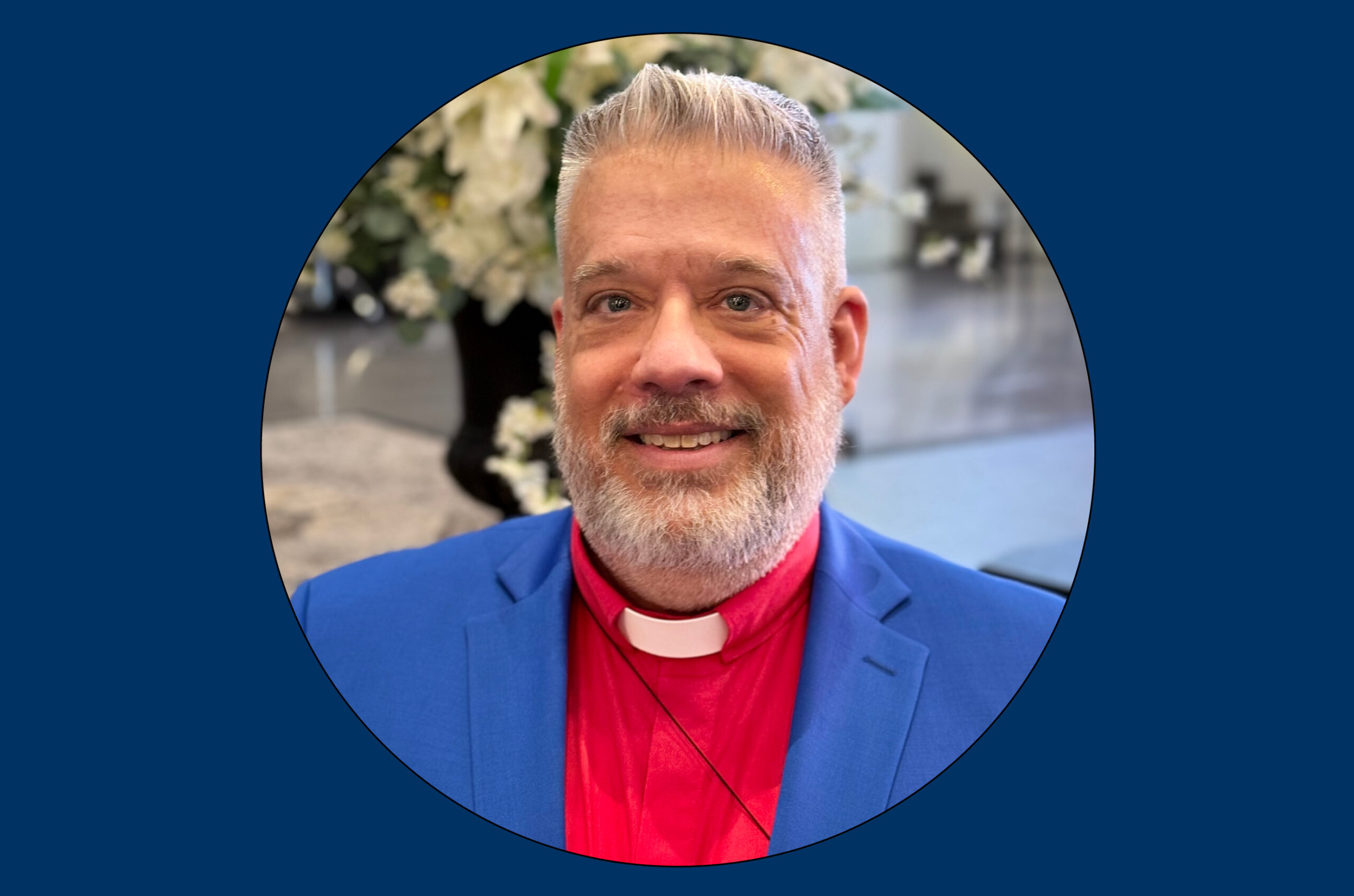
Bishop Durrell Watkins, DMin., is the Senior Minister of the Sunshine Cathedral in Fort Lauderdale.