Key West’s Rainbow Crosswalks Paved Over — But Pride Endures
By Tony Adams & Steven O. Evans, PhD
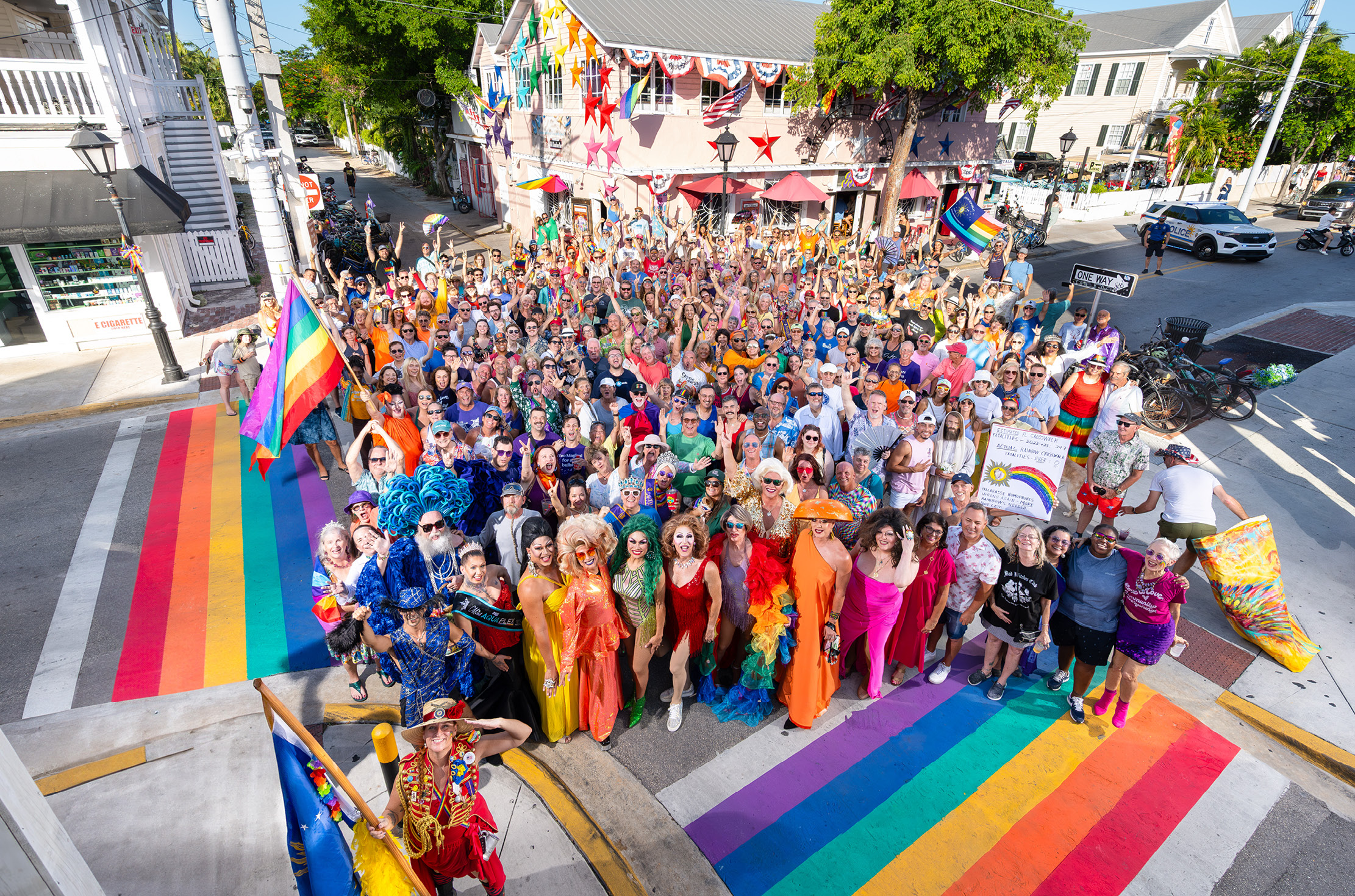
On September 9, 2025, a transportation crew working shortly before 3 a.m. covered the rainbow crosswalk at Duval and Petronia streets in Key West, FL with blacktop (asphalt). The move ended a three-month battle over issues of street art, the principle of home rule (a city’s right to govern itself in local matters without outside interference), and the broader struggle over local expression in Florida.
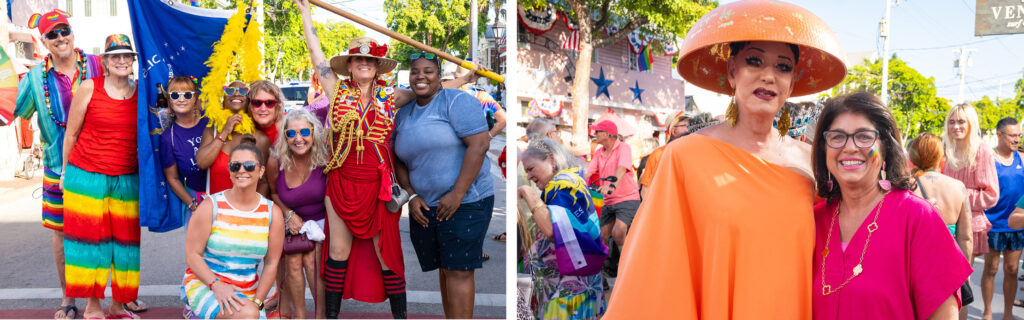
Photos Courtesy of NickDollPhotography.com
The removal in Key West is part of a wider effort to limit street art across Florida, despite many years of officially approved and compliant rainbow crossings installed in cities such as Key West, Orlando, Delray Beach, Fort Lauderdale, and Miami — none of which have reported accidents attributable to those designs.
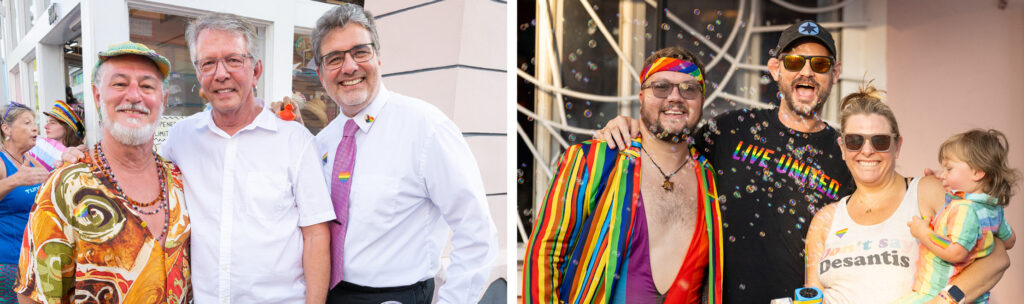
Photos Courtesy of NickDollPhotography.com
While the blacktop may have erased the rainbow on the pavement, it cannot erase what the crosswalk symbolized — visibility, pride, and the enduring presence of LGBTQ+ people in Florida. Already, local leaders, residents, and allies are speaking out, finding new ways to ensure that their streets, their businesses, and their lives continue to reflect inclusivity, hope, and pride.
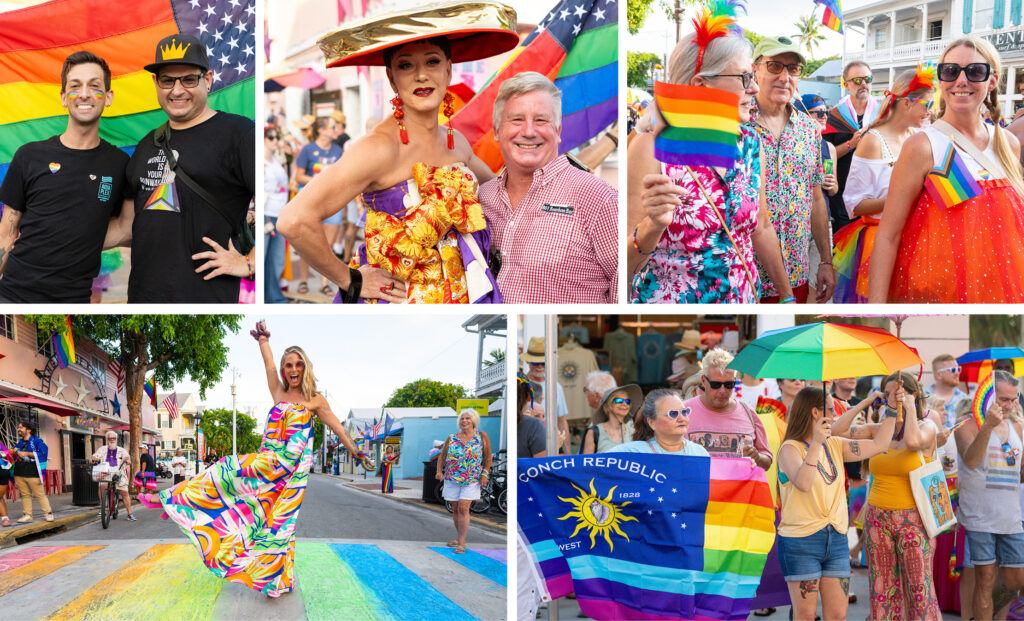
Photos Courtesy of NickDollPhotography.com
Key West has always been a place of resilience, a community that embraces difference and thrives on it. The rainbow remains in the hearts of its people and will return in one form or another — whether in art, in celebration, or in the very spirit of the island. For every attempt to pave over progress, Key West reminds the world that pride is not just painted on asphalt; it lives in people, and it shines brighter than any act of erasure.
Tony Adams is the author of the bookEnding Anita: How Two Key West Bartenders Won Gay Marriage for Florida