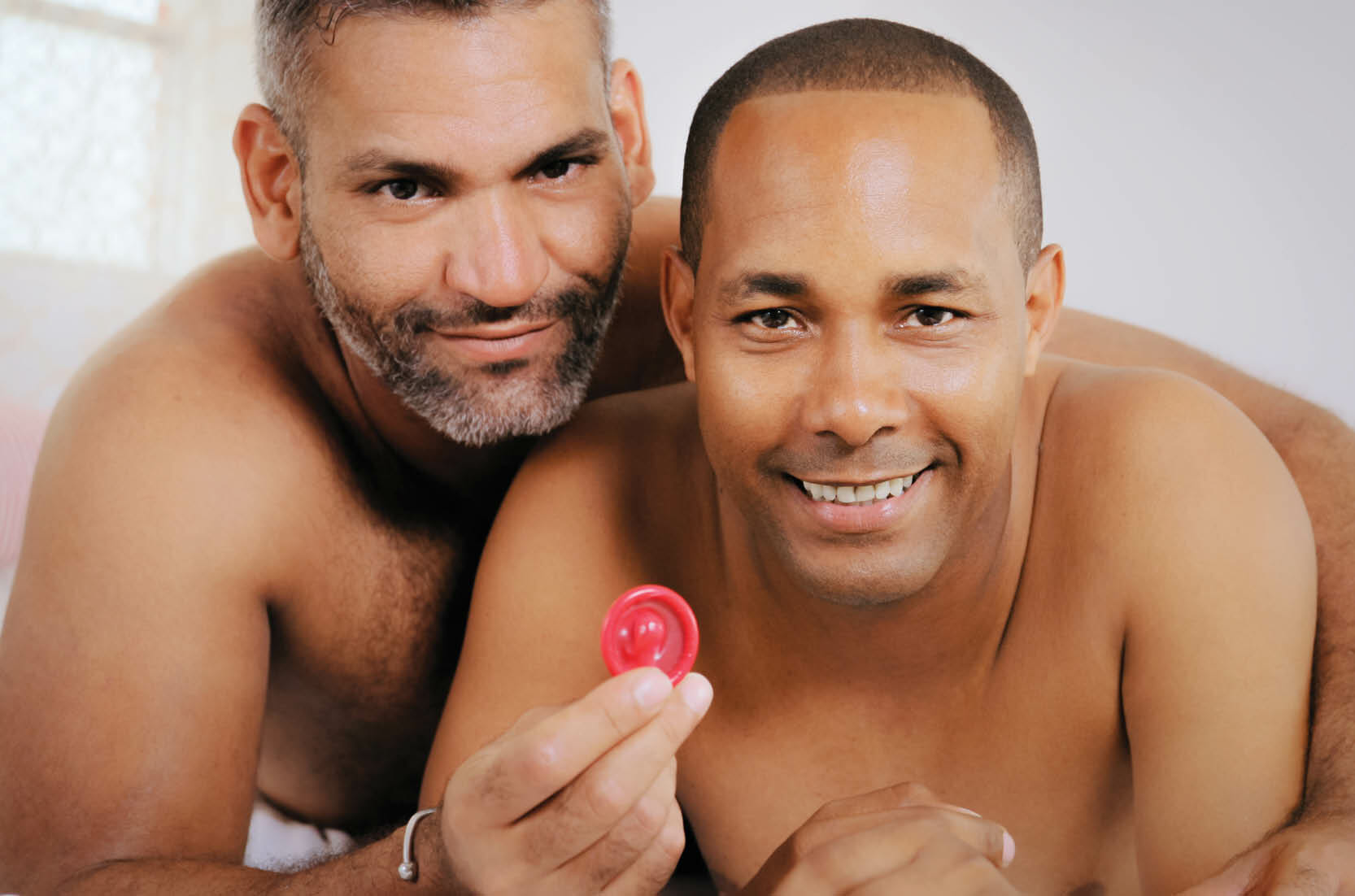
Condoms are Essential to Wellness
Condoms are an essential component of high-impact STI (sexually transmitted infection) prevention. They are integral to safe sex, serving as a protective barrier between sexual partners. Setting comfortable terms and boundaries during sexual encounters, including condom use, is essential. When behavioral health is affected, individuals are more likely to neglect this crucial step and engage in high-risk behaviors. It’s important to overcome the stigma surrounding sex and discuss the role of condoms in having safe and informed sexual experiences.
According to a 2017 study by the CDC, nationwide, 48% of male students who had sexual contact with other males did not use a condom the last time they had sexual intercourse. 20% of male students who had sexual contact with other males drank alcohol or used drugs before their most recent sexual encounter. Teens should have appropriate and accurate information about sexual health, including STI and HIV prevention. If they choose to have sex, they should know how to protect themselves.
Inconsistent condom use extends to older men who have sex with men (MSM). A 2015 CDC study, “Condom Effectiveness for HIV Prevention by Consistency of Use Among Men Who Have Sex with Men in the United States,” reported that the estimated effectiveness of condom use for gay men with HIV-positive partners is 70%, but only for those who reported “always” using condoms. However, among the thousands of men in the study, only 16.4% reported “always” using condoms with all sexual partners over the year or more the study lasted. Inconsistent condom use with HIV-positive partners offered “minimal or no protection” from HIV.
Teens and adults seeking a safe, nonjudgmental space to discuss safe sex and access condoms at no-cost, can reach out to Care Resource’s Health Promotion Services Department. The health center’s navigators can suggest proper condom use in conjunction with other biomedical HIV prevention options, including PrEP.
Care Resource encourages the community to reflect on their sexual health habits, and consider how they can be more mindful. Reach out to a loved one who is at higher risk of contracting STIs, including HIV. Let them know you are talking to them because you care. Reach out to a young person who could use guidance and support, and tell them it’s okay to talk about sex, especially if they’re sexually active. Health interventions can start in our relationships. Prevention is our duty; we do not have to wait to receive an unfavorable diagnosis to make healthier decisions.
About Care Resource
Care Resource is a 501(c)(3) nonprofit organization and a Federally Qualified Health Center (FQHC) with four locations in Midtown Miami, Little Havana, Miami Beach, and Fort Lauderdale. The health center provides comprehensive health and support services to address the full health care needs of South Florida’s pediatric, adolescent, and adult populations. For more information, visit CareResource.org. Content courtesy of Care Resource.