Luke Frazier’s Vision for Symphony of the Americas
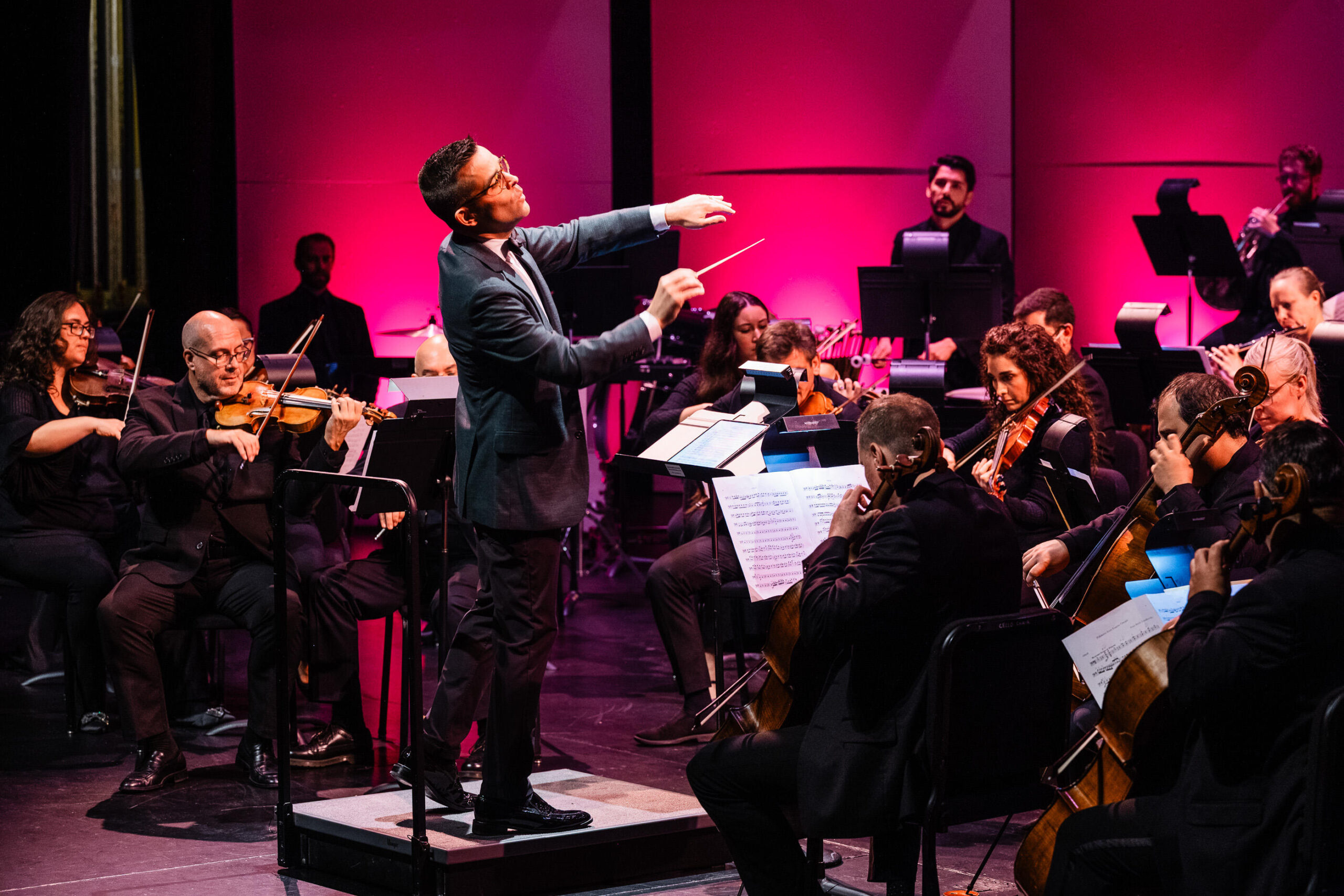
As Symphony of the Americas enters its second season under Artistic and Music Director Luke Frazier, the orchestra is charting its own course in South Florida’s cultural landscape. With programming that moves between classical music, Broadway and popular genres, Frazier is challenging traditional notions of what an orchestra can be while welcoming new audiences into the concert hall.
Frazier shares his vision for the orchestra, what makes South Florida audiences unique and why there’s a place for everyone at Symphony of the Americas.
Megan Fitzgerald: You’re now entering another season as artistic and music director of Symphony of the Americas. When you look at where the orchestra is today, what are you most excited about building here in South Florida?
Luke Frazier: As I head into my second season, I’m excited about the momentum we’re building with both our musicians and our audiences. We’re doing something different from other orchestras across the region, and I’m proud that we’re helping push the field forward while creating something truly distinctive right here in South Florida.
Fitzgerald: You’ve said that every orchestra should have its own unique voice. What do you want the voice of Symphony of the Americas to be?
Frazier: I want SOTA to be known as an orchestra that is deeply connected to our community and committed to bringing more people into the world of orchestral music. What makes SOTA unique is that our programming and our approach are unlike anything else in the region. We want every concert to feel fresh and unexpected, and ultimately, like something you don’t want to miss.
Fitzgerald: You work comfortably across classical music, Broadway, popular music and other genres. How does that influence the way you program a season for Symphony of the Americas?
Frazier: I like to make sure every season offers multiple points of entry for audiences, while also giving our musicians the opportunity to flex their artistic muscles across repertoire of all styles. Just as no one wants to eat at the same restaurant night after night or watch the same movie day after day, we don’t want our concerts to feel so similar that audiences think, “I’ve already seen that.” We work to create experiences you can’t find anywhere else, presented in ways that keep our audiences on their toes and excited to see what we do next.
Fitzgerald: When you put together a season, how do you balance giving longtime symphony audiences the music they love with creating programs that might bring someone into an orchestral concert for the first time?
Frazier: Every concert should have elements that appeal to longtime supporters while also welcoming people who may be experiencing our orchestra for the first time. Too often, orchestras create seasons that can feel like “us and them,” with certain programs designed specifically for new audiences and traditional classical concerts reserved for longtime patrons. When we separate audiences that way, people can feel it. At SOTA, I want every concert, regardless of style, to have something for everyone. That’s why our popular programs feature new arrangements and orchestrations that give symphonic audiences something musically exciting to experience, while our classical programs are presented in ways that feel welcoming, engaging, and accessible. The goal isn’t to prioritize one audience over another. It’s to bring everyone into the same room and give them a reason to come back.
Fitzgerald: What have you learned about South Florida audiences since you began working with Symphony of the Americas?
Frazier: South Florida audiences are some of the most adventurous I’ve ever encountered, and I truly love working here. I’ve learned that people are willing to give just about any kind of music a chance when it’s presented in a way that feels fresh, relevant, and engaging. That openness gives us tremendous freedom to be creative and continue finding new ways to connect with our audiences.
Fitzgerald: Is there something you think people in South Florida still don’t know about Symphony of the Americas—or perhaps misunderstand about what an orchestra can be?
Frazier: This is not your grandmother’s orchestra! If you’ve ever felt like the orchestra wasn’t for you, or that classical music was difficult to understand, come check us out. If you’re a longtime classical music lover who wants to see new audiences getting involved and excited about this art form, come check us out. And if you simply want a great night out with music that will move you, come check us out. There’s a place for you here, and that’s exactly the kind of orchestra we want SOTA to be.
Fitzgerald: Looking across the 2026-27 season, what do you think it says about the direction you’re taking the orchestra?
Frazier: I think our coming season affirms our commitment to engaging our community; we’ve got community partners in every concert this season! I also think the season confirms our commitment to not blending in with the larger classical landscape, we are going our own way and are happy to bring more and more people in to have a great time engaging with the power of orchestral music.
Fitzgerald: If someone has never attended Symphony of the Americas before, what would you tell them about what they can expect from a concert under your direction?
Frazier: Everyone is welcome at our concerts. Truly. We care deeply about making sure everyone in our community has the opportunity to connect with orchestral music in a way that adds something meaningful to their lives. You don’t need to know a thing about the pieces we perform, the composers we feature, or the instruments we hold in our hands. All you need is an open mind and a willingness to be moved by the power of live music, performed by extraordinary musicians who are part of this incredible community.