Emmy and Tony Award-winning actress Bea Arthur is best known to generations of fans as Dorothy Zbornak on The Golden Girls and Maude Findlay on Maude. But a new documentary promises a more intimate look at the woman behind those iconic characters.
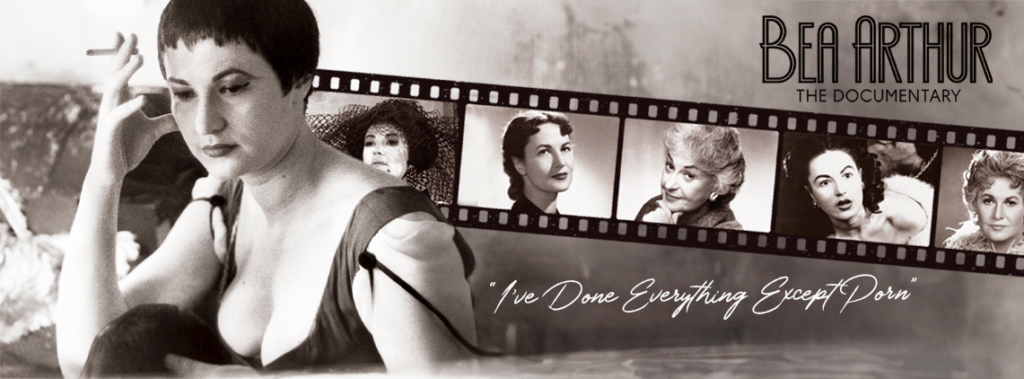
Bea Arthur: I’ve Done Everything But Porn is built around a never-before-seen interview between Arthur and filmmaker Dan Watt, who was her personal assistant and friend during the last six years of her life. The film also features conversations with friends and colleagues and explores Arthur’s life from her early years in New York through Broadway, cabaret and television, as well as her advocacy and charitable work.
Watt brings the documentary to Gray Box Theater in Wilton Manors on October 21, 2026 for a special screening. We caught up with him ahead of the South Florida stop.
How did this project begin?
I was her personal assistant and friend the last six years of her life. When we were done working, or over lunch or dinner, I would ask her, “What was it like in New York City in 1947? Tell me when you first moved.” She would tell me these wonderful stories.
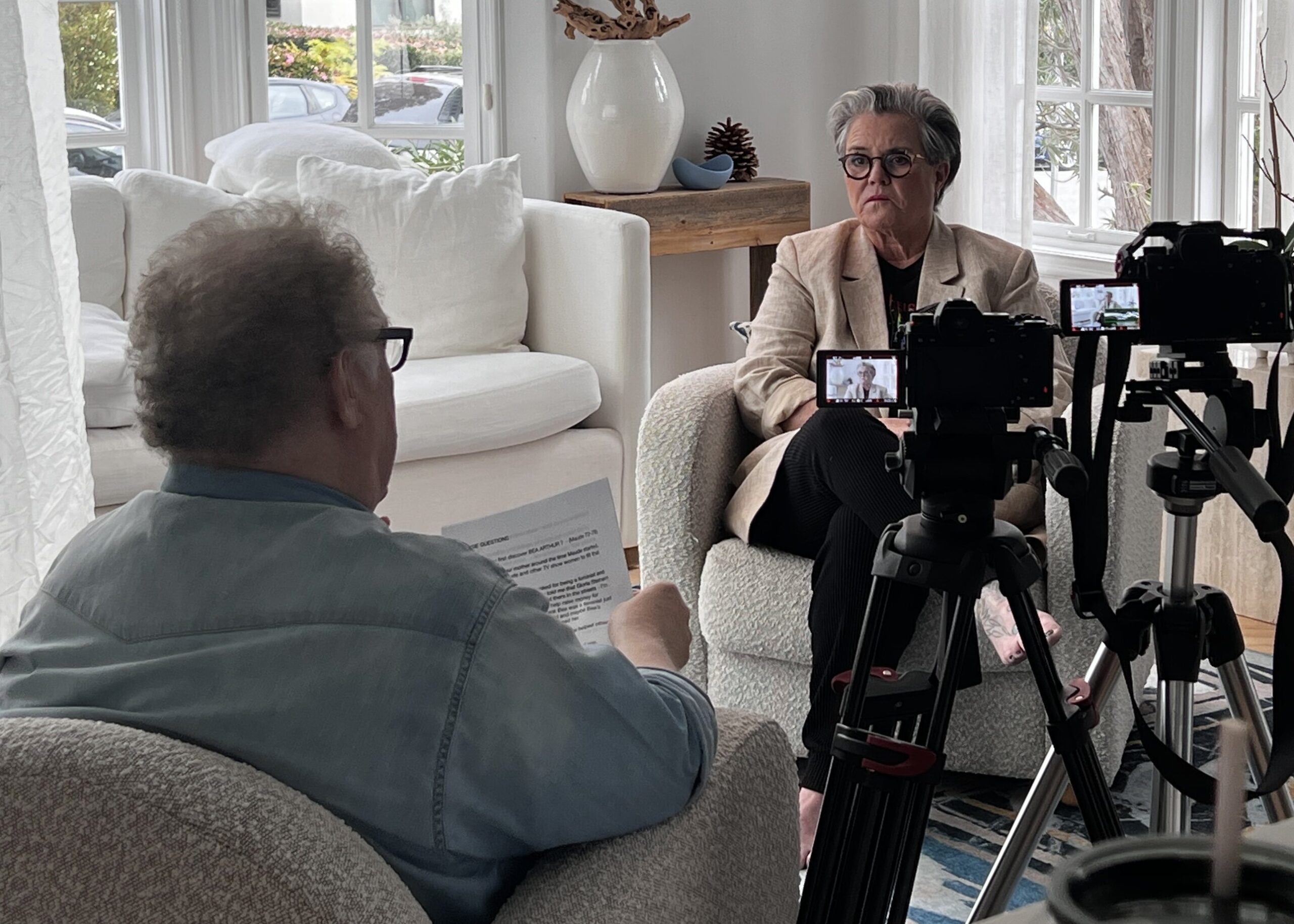
I said, “Do you know that I’m having lunch with the legendary Bea Arthur?” And she went, “Why, yes, you are.” I said, “We should film one of our conversations.” She leaned in and said, “You think you can interview me?”
She called me “Dancing” because her son’s name was Dan. She said, “I’m not gonna call you Dan. I already have a Dan in my life. You’re Dancing.” So she was like, “OK, Dancing, let’s see what you got.”
We did it, and I’ve had this 90-minute interview sitting in a fireproof lockbox that no one has ever seen. Bea said she wanted to be remembered as a classically trained actress who hopefully left something behind that people would enjoy. I thought, why don’t I try to make that come true?
What will audiences see in the documentary?
The film is built around a never-before-seen interview of me and Bea in her kitchen, and then it’s paired with other conversations with her colleagues and friends. It goes from a little bit of her childhood through her early years in New York at The New School, then off-Broadway to Broadway, cabaret and into her television career. And also her charities, which were very, very important to her.
What do you hope people see about Bea that they may not already know?
There is so much about Bea that nobody knows. When you’re friends with her, you get to see the humanity of her. Bea’s fearless. She’s direct. She has strong convictions, but she’s also very vulnerable and can also be very, very shy at times.
I want people to see the woman that I knew.
Was making the documentary emotional for you?
What I love about it is that it’s like she’s still here. She lives in my heart, but now, to be able to watch this over and over, all these memories have come back to me by rewatching this and editing it. So it’s like she’s still here.
Why was it important to bring the film to South Florida?
I tried to pick cities that I knew Bea liked. She started her one-woman show in Florida when they were working on it and trying to figure it all out, so I thought I needed to go down there. She had such great fans and loved it in the Fort Lauderdale area.
What are you looking forward to most about taking the documentary on the road?
It touched my heart how many people loved her and still love her, and that’s why I’m taking this on the road. I wanted to offer the true fans an opportunity to see this. I’ll do a Q&A, but I really want to hear their stories. I love hearing those stories.
If Bea could sit down with you and watch the documentary, what do you think she would say at the end?
She would say, “Dancing, I don’t want you to do this.” But she’d be thinking, “It’s about damn time.”