By Denny Patterson
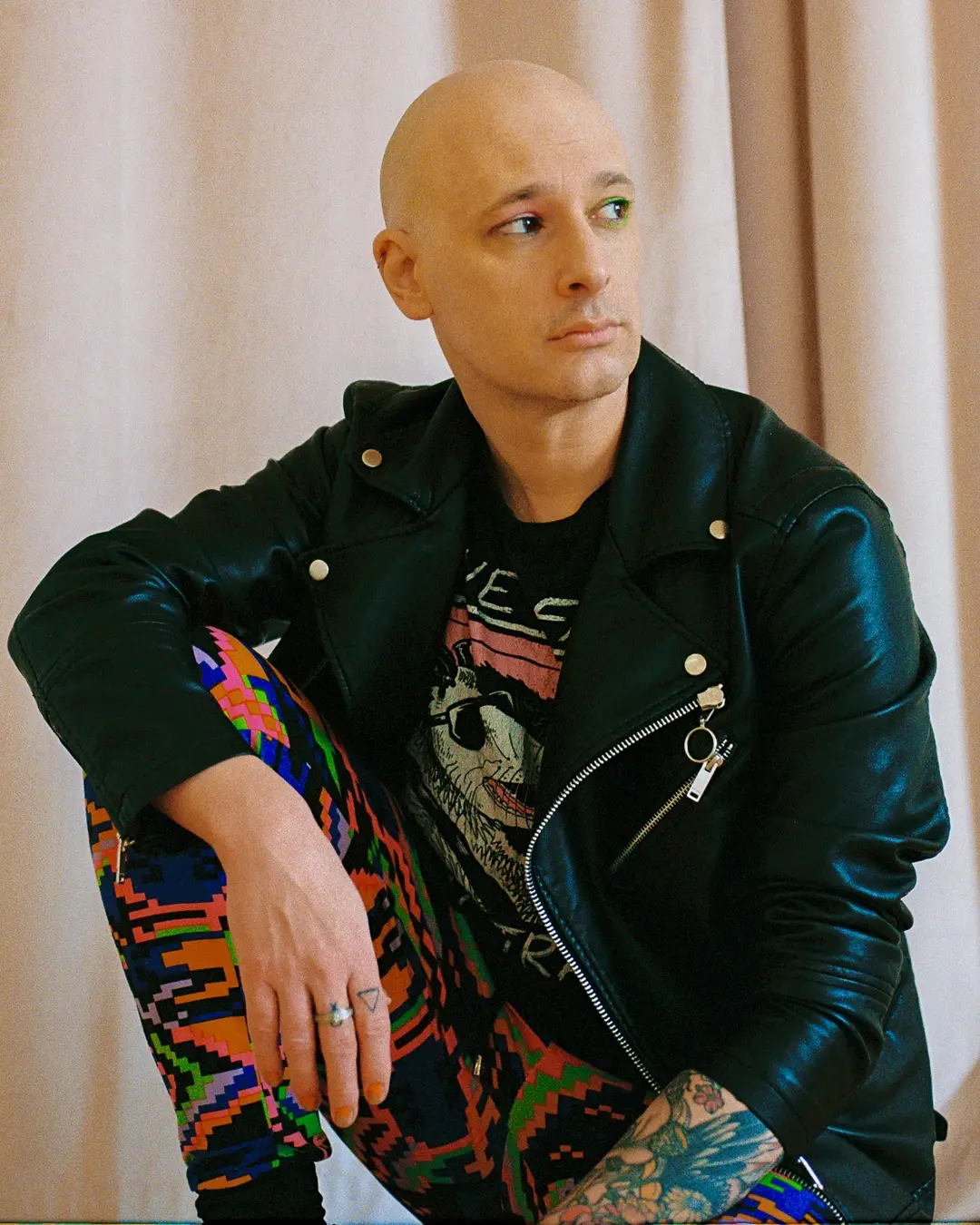
Alexander Millar of Vattica, an award-winning independent musical project, is organizing Los Angeles’ first-ever mini-festival designed around the needs of neurodivergent and D/disabled communities, called Neuronite.
Taking place on July 26, 2024, at the cutting-edge Media Pollution warehouse space, Neuronite seeks to provide a place where neurodivergent individuals are prioritized and celebrated, both on and off stage. The free, 18+ event will also provide attendees an opportunity to process, heal, and express themselves creatively while fostering community engagement, support, and mental health awareness.
As a queer nonbinary neurodivergent person with lifelong OCD that experienced a near-disabling resurgence in their symptoms during the COVID-19 pandemic, Millar believes their intersecting identities help them to be uniquely positioned to serve the communities of those who are less represented. The intersection of neurodivergence and queerness has always presented a unique set of challenges, highlighting the need for greater understanding and accommodation.
Millar recently took some time to talk more about Neuronite with OutClique.
Denny Patterson: Alexander, what can you tell us about Neuronite, and what can people expect?
Alexander Millar: This mini-festival is centered and prioritized around the needs of the neurodivergent community, which of course overlaps with the LGBTQ+ community and D/d disabled folks. We’re all intersected in some ways, so we are specifically working on a mini-music festival that is neurodivergent friendly and beyond ADA accessible. Like, bathrooms will be gender neutral, and if you have a mobility device or if you’re in a wheelchair, you won’t just be cordoned off to a certain section. You can go wherever you want. Then in terms of the space, we’re working with our partner, Media Pollution, and I assembled a team of neurodivergent designers because I am also a neurodivergent person. I have OCD and anxiety, with a touch of depression, which is a fun combo, but I don’t know what it’s like to have ADHD, autism, or schizophrenia, so this event is designed around making this sort of neurodivergent Wonderland, where you can have as much or as little stimulation as you want. You can also take as many breaks as you want. Let’s say you want to watch this band, but halfway through, you’re feeling a bit overwhelmed. There will be a noise canceling, decompression tent with soft things to lie down in. This event is centered on people that are not usually centered anywhere else, especially at concerts.
Denny Patterson: If successful, would you eventually like to see Neuronite expand to other major cities?
Alexander Millar: Absolutely! My ideal thing would be to do this one first, and we’re not going to get everything right, but we’ll have an operating model and budget. Like, here’s how much it will cost to do this, and I can give that to other entities and have it become a subdivision of the work I do under my artist name, Vattica. The idea is that there could be simultaneous Neuronites happening all over the world, and I could be involved in assembling them, regardless of whether I play them or not. It’s about me and my ego. So, I would definitely love to see Neuronite expand. There’s no reason why we can’t have larger events and make them safe and accessible for neurodivergent people.
Denny Patterson: Will Vattica be doing anything new for Neuronite?
Alexander Millar: Yes! I have a new single called “Wealth,” which is basically an anti-capitalist anthem about the powers that be and how the only thing they care about is money and power. We’re living through a global apocalyptic collapse, which could have been avoided, but the song is a catchy track with rock, pop, and metal influences in it.
Denny Patterson: What is something you wished people understood better about neurodivergent people?
Alexander Millar: Do you suffer from chronic anxiety? You’re neurodivergent. Are you depressed all the time? You’re neurodivergent. The word has taken on its own activist meaning, which is separate from the meaning that was in the DSM-IV or DSM-V, the therapy handbook that uses a more clinical, specific definition and usually includes phrases like ‘mental disorder.’ To say mental disorder implies a deviation from order, and that’s the road that allows people to be like, oh, that person’s crazy. No, if someone has ADHD, their brain just works differently. There’s such a diverse range of people, and we can create a more inclusive and representative picture of what it can mean to be a human being, as opposed to Barbie and Ken.
For the latest news and information, visit Neuronite.org or follow Neuro.nite on Instagram. Stay up-to-date with Millar by following them on Instagram @Vattica.