By John Hayden
LGBTQIA+ is under stress, under served, and under attack like never before. Many internalize and ignore unprecedented levels of stress.
SunServe has a message for everyone: you don’t need to suffer in silence. We are here to help you.
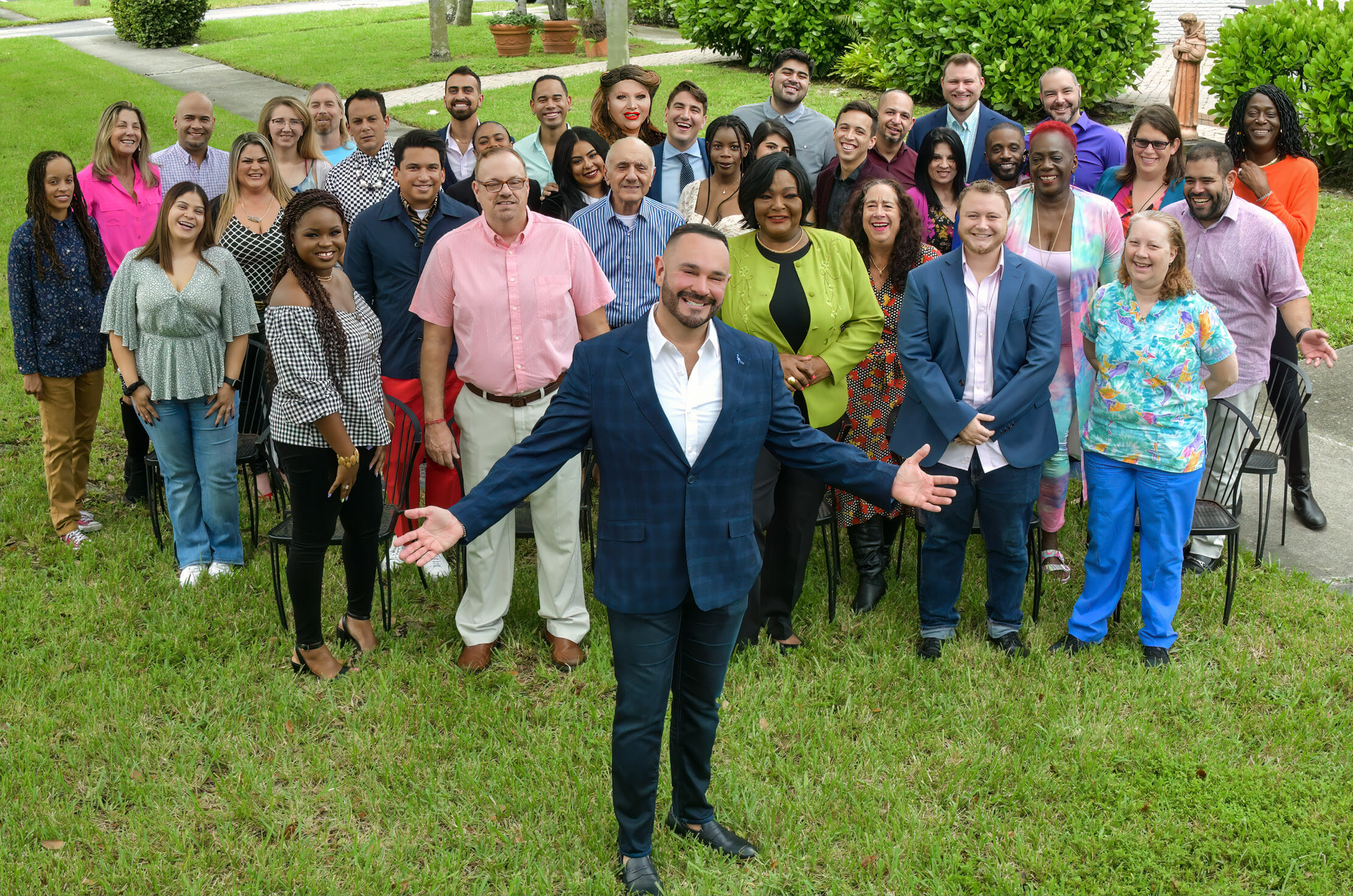
While they offer a wide variety of programs (substance abuse treatment, youth services and a homeless shelter, trans services, senior services, and housing to name a few), SunServe is putting unprecedented resources into its youth, senior, and adult mental health services. “We are stronger than we have ever been. We are staffed with excellent clinicians and case managers that are truly dedicated to helping the LGBTQ+ and allied community,” Tony Lima, SunServe’s CEO told OutClique.
Ryan Papciak, the Director of Mental Health Services, says the need is especially acute in the LGBTQIA+ community. He cites a study that shows LGBT adults struggle more with mental health than non-LGBT adults. ”LGBT adults ages 18 and older reported roughly twice the rate of mental health challenges as non-LGBT adults. Obviously, mental health issues are prevalent and the need for treatment is not declining.”
The problem is even larger for LGBTQIA+ youth. While many are aware of the issues in an abstract way, statistics frame it in a startling way. Sixty-two percent of LGBTQ youth reported symptoms of major depressive disorder in the past two weeks, including more than 2 in 3 of transgender and non-binary youth. Even more alarming, more than 60% of LGBTQ+ youth have deteriorated because of recent efforts to restrict access to things like gender-affirming care for transgender youth.
SunServe’s team has seen the types of problems change over the past few years, in part due to the stresses of a pandemic and legislative attacks. “New traumas have appeared from the racial reckoning our country has been going through as well as the recent anti-LGBTQ+ legislation facing our nation and, more specifically, Florida,” Papciak said. “Our trans youth clients that thought they would be able to start hormone replacement therapy are being turned away as a result of the current political landscape. It is devastating to see them struggle with the news that they must wait until they turn 18 to start hormone replacement therapy. When the Board of Medicine ban gets instated, there will be a higher level of acuity for young trans clients that feel hopeless, depressed, and potentially suicidal.”
Concern At All Levels
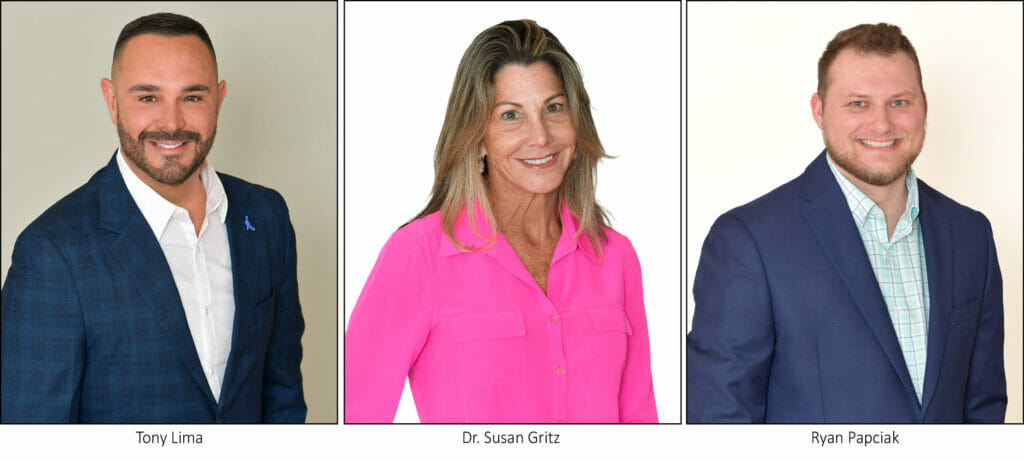
SunServe has overhauled its board of directors and leadership over the past year. That includes adding Tony Lima as CEO, who in his reorganization of the agency, brought founder Dr. James Lopresti back in an expanded role. Lima also added Ryan Papciak as the new Clinical Director and Dr. Susan Gritz as the Director of Academic Affiliations and Clinical Supervision, further strengthening the Clinical Core of SunServe which oversees the work of all in house therapists and the student interns and field placements who come to SunServe to perfect their craft. The new team instantly saw South Florida’s LGBTQIA+ mental health crisis growing at an alarming rate. “From the beginning, the Board of SunServe adopted the mission for Mental Health Services to provide high quality professional care to the entire LBGTQ+ community in our area,” Lopresti said. “We knew from the beginning that there are many implications to taking on such a mission, and 20 years in, especially with our new leadership, we are more committed to that mission than ever before.”
Much of the work in 2022 meant making SunServe a desirable placement for graduate school clinical trainees. That improves their network, increases the ability to serve clients (regardless of their ability to pay), and introduces the grad students to the nuances of the community.
Lopresti says it’s working. “We have become that coveted placement for students from various universities, and not just in Florida, but nationwide. Now we can select the best of the best among new clinicians seeking placement.” He says increasing personal resilience lowers stress levels and the anxiety and depression stress exacerbates.
Group therapy is also important. But quality group therapy needs quality facilitators, which don’t grow on trees. “Our community is not always getting that quality of facilitation. Hence, SunServe gathered professional group trainers in graduate programs in South Florida universities to form the Florida Institute for Group Facilitation. That offers a comprehensive program that leads to certification as a Group Facilitation Specialist. The program is growing.”
How It Works
Often, the hardest step is the first step. In this case, it’s recognizing you need help and asking for it. When you contact SunServe, someone will immediately assess your needs and get your case going. From there you’ll start getting appointments, in person or via Telehealth. They even work to make sure transportation isn’t an issue. Often in the case of young clients, therapists will go to them.
But taking those first steps isn’t easy, especially if there are cultural stigmas or barriers to asking for help. Papciak says “I would say to clients that are reluctant to seek care, that therapy can be very effective in prevention. You work to get ahead of issues. At SunServe, a lack of insurance or financial barrier should not get in the way of you being seen for therapy.”
Dr. Gritz echoes those sentiments. “The main thing that people who are starting to seek help should know is that they are not alone. The prevalence of mental illness has long been established. Those individuals facing a mental illness don’t have to suffer in silence. SunServe is here to help.”
To access SunServe’s mental health services, please visit SunServe.org.