By Denny Patterson
In partnership with the Save Our Seas Foundation, a nonprofit organization dedicated to protecting and caring for the world’s oceans, Fort Lauderdale’s Museum of Discovery and Science (MODS) is currently underway with its 2022 Virtual Distinguished Speaker Series.
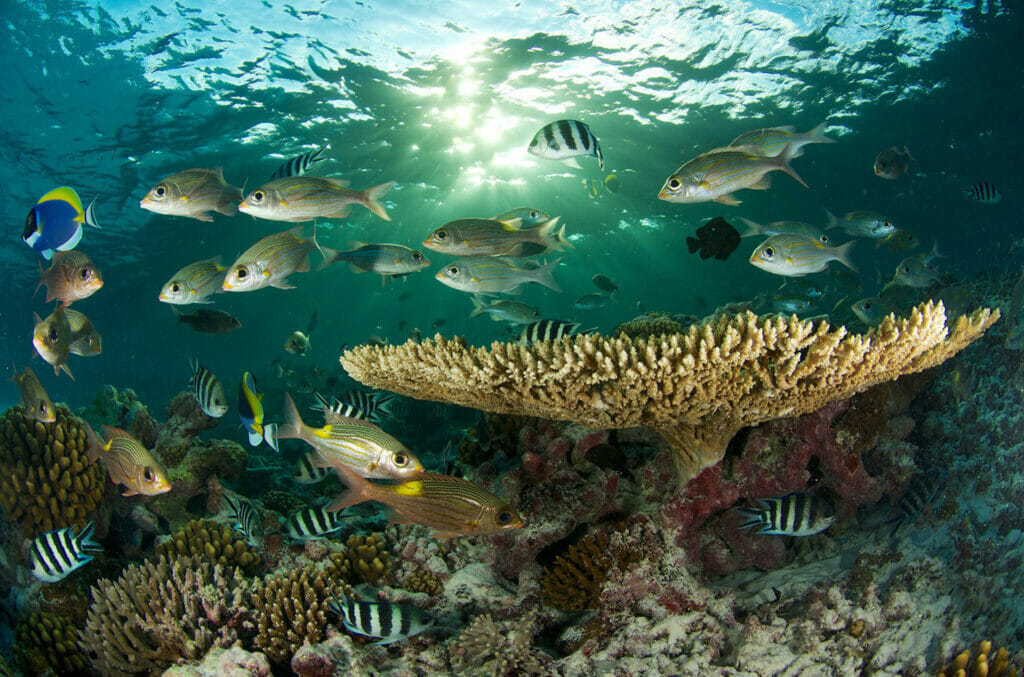
The goal of this series is to increase awareness of the environmental, social, and economic importance of ocean protection in South Florida, as well as across the world. The lineup of presenters and lecturers include scientists from around the globe who will discuss their research discoveries across a spectrum of topics: great white sharks, hammerheads, deep-sea sharks, manta rays, community engagement, conservation, and more.
MODS has become Broward’s Hub for Resiliency Education, anchoring and championing the community’s conversation, education and action regarding environmental sustainability and resiliency.
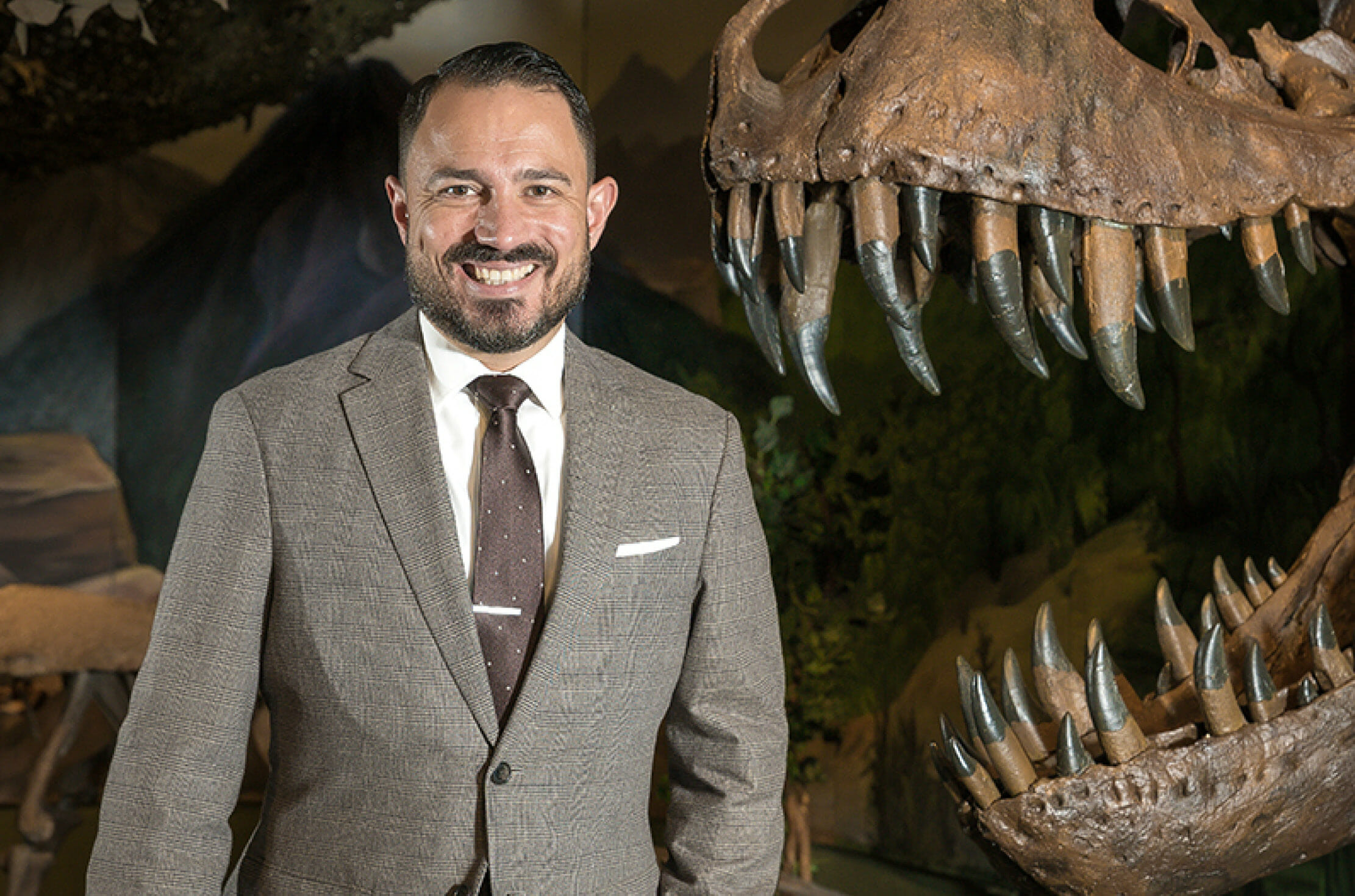
This is the third year MODS has partnered with the Save Our Seas Foundation, and OutClique caught up with MODS President and CEO Joseph Cox to ask a few questions about the series.
Denny Patterson: Can you begin by telling us more about the 2022 Save Our Seas Distinguished Speaker Series and what it is?
Joseph Cox: At the museum, our mission is connecting people to inspiring science, and we do that in a number of different ways through our programs, our exhibits, our IMAX, and one of the things that we have done a lot of over the last two and a half years is virtual content. We’ve really learned that you can have an incredible connection, and what better way to connect with people than sharks, one of the coolest subjects possible? We’ve been working with the Save Our Seas Foundation for three years, they’re a nonprofit with a specific focus on sharks, rays and skates. The Distinguished Speaker Series is a free environmental science program that really highlights critical issues in the world around us. We’ve talked about a number of different topics with the Save Our Seas Foundation.
DP: How many people generally tune in?
JC: What’s great is, we do the live virtual program where we have anywhere from 50-100 people who’ve attended those, but then we post them to our MODS YouTube page following, and it’s incredible. Some of the speaker series have been seen by 5-10,000 people.
DP: Ultimately, what do you hope viewers take away from this series?
JC: I think one of the most important things that we’re working on here at the museum is environmental sustainability. So, we really want people to be able to take action to protect our ocean ecosystem and the marine life that lives there. Our goal is ultimately to connect children and teens, South Florida’s future workforce, to careers that help them become solution-focused in the future. Showcasing careers in marine ecology is certainly one way of doing, and we focus on scientists from all around the world, who are focusing on their different research. From great white sharks and hammerheads to deep sea sharks, whale sharks, manta rays, and then we’ve talked a lot about ocean education, conservation. We’ve shown our local audience researchers located around the world from countries in every corner of the planet.
DP: How beneficial would you say this series has been for MODS?
JC: We are really focused on cultivating climate citizenship and providing a platform here at the museum through our programs, our outreach, and our exhibits. A platform for exploring what opportunities there are for solutions. We really are looking at climate change, environmental sustainability, and resiliency from a point of view of, we want to help make Broward the most resilient community possible to the impacts of climate change. We’ve launched what we’re calling the Hub for Resiliency Education. It’s in partnership with the Community Foundation of Broward, which is going to be looking at environmental issues in our community and highlighting solutions to the impacts of climate change.
DP: Marine biologist and underwater explorer Greg Skomal kicked off the 2022 series on April 7. How did it go?
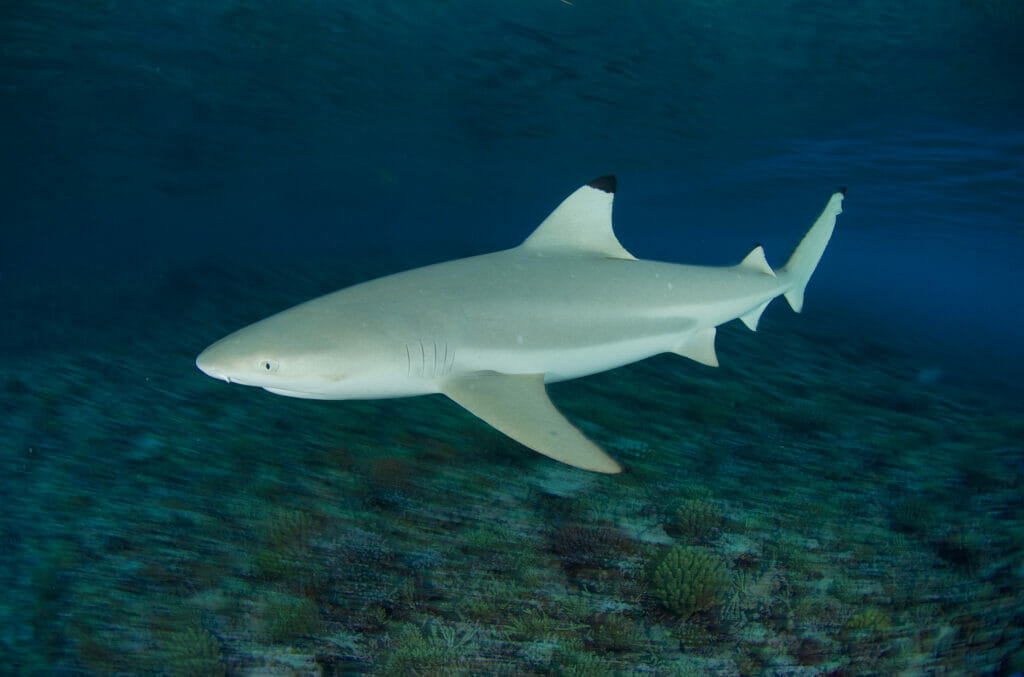
JC: Very well! One of the most popular topics is always great white sharks. Great white sharks are, and always will be, one of those iconic megafaunas that will grab your interest immediately. Greg talked about living with great white sharks and community safety, looked at specific habitats, and tried to get people to understand why changes in their behavior are happening. What it means to be a vulnerable species. They’re still decreasing in numbers, despite all of our efforts, but they were once almost on the brink of extinction. Through natural ecosystem restoration, we’re seeing those numbers slow their decrease, if not start to increase in some areas. He is one of those people you could have spoken to for hours on end. I was listening in the car myself, and it was literally one of those moments where you’re like, nope, I’m going to sit in my car in my driveway until I get to the end of the lecture.
DP: In your personal opinion, why should people care and take more of an interest in the world’s oceans and its creatures?
JC: Right here in Broward, the ocean is a huge part of our economy. The ocean and the beach alongside it are such a huge part of our economy that purely from a selfish point alone, being able to protect the ocean and the beach is critical. We know from science that sea levels are rising, the Earth is heating up, and we read constantly about the impact and the devastation on coral reefs and species. South Florida is flat, and as sea levels continue to accelerate, we are going to see significant changes over the next couple of decades, which will increase exponentially as the world gets hotter and sea level rises. That will just keep getting faster and faster. There’s a lot going on, but there’s so much hope, and the reason behind the Hub for Resiliency Education was because there’s so much work happening in our community. At the university level, the cities, the counties, private nonprofits, corporations, all coming together to focus on making Broward more resilient, and we will be showcasing solutions. Whether that’s in our Save Our Seas series or upcoming events, we want people to know that they can help be part of the solution. We see over 400,000 visitors a year. We’re getting them excited, engaged, and we’re creating future engineers, marine biologists, and scientists who are going to grow up making a difference. If the museum can play a part in helping guide them towards careers where they can be involved, it’s going to be huge. We know the passion is there in our community. I’m very excited about what we’re doing, and the speaker series is a wonderful way to share exciting work from around the world and raise awareness.
DP: Before we wrap up, is there anything else you would like to mention or plug?
JC: Just that with the summer months bearing down on us quickly, the best way to enjoy the museum and a lot of other cultural organizations throughout South Florida is to buy a membership. You can buy a museum membership at any level that you’d like, and it includes free admission. You can come and see all of the great programs and exhibits we have coming up.
For more information and to register for the 2022 Save Our Seas Distinguished Speaker Series at MODS, visit MODS.org/2022SaveOurSeas.