By Marc Gave
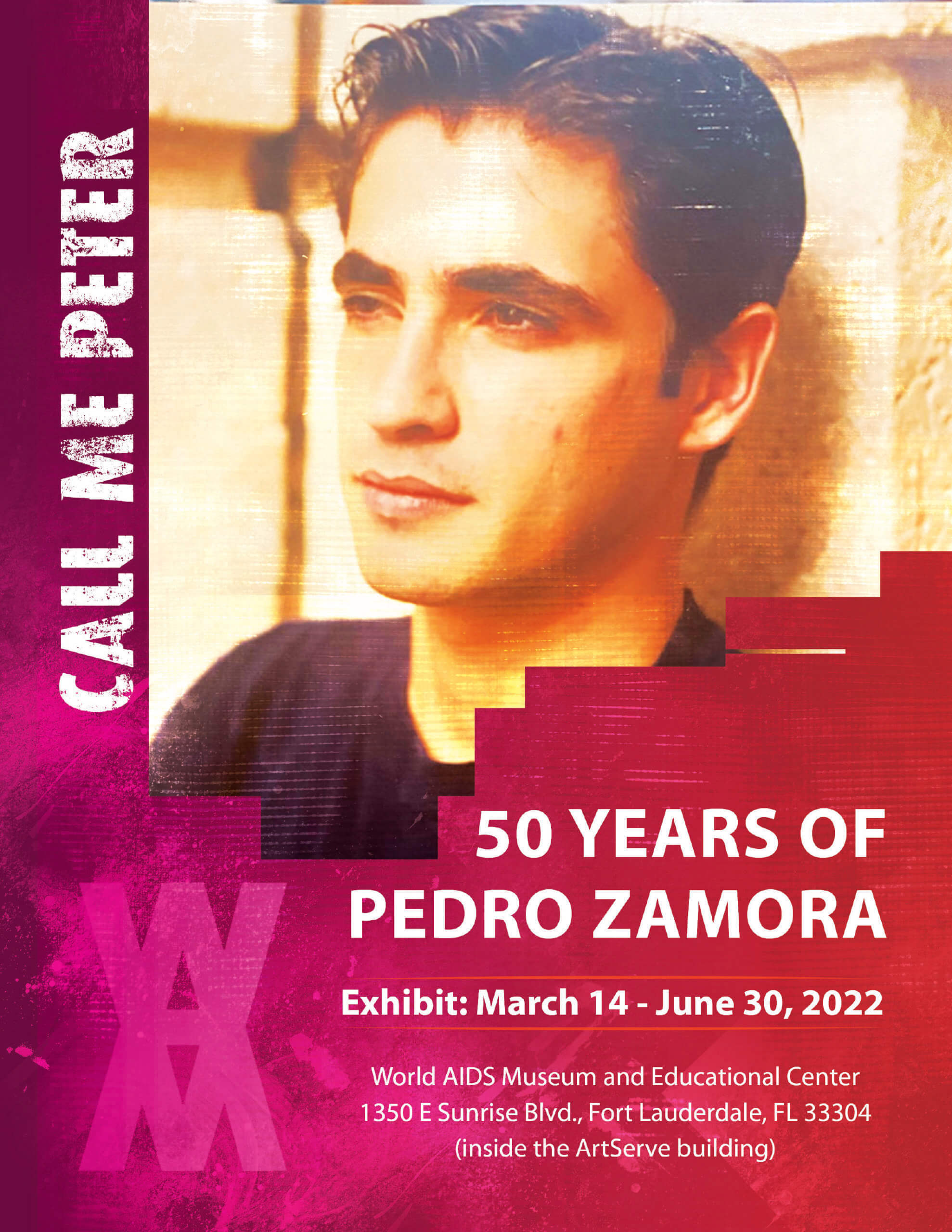
The 50th birthday of a hero lost much too early is the impetus behind the current exhibit, through June 30, on the life of Cuban immigrant and AIDS activist Pedro Zamora, born February 29, 1972.
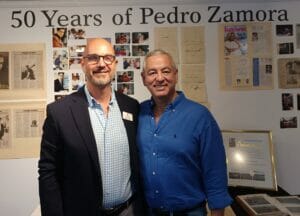
Curated by Shed Boren, professor at the Robert Stempel College of Public Health and Social Work at FIU, from a wealth of material supplied by Pedro’s sister, Mili, and his own artifacts, the exhibit honors Zamora with an intimate look at his short but impactful life.
Boren explains how the exhibit evolved. “I came out in 1983 when I was a high school senior and HIV was still fresh in the news. I ended up becoming a social worker in healthcare, particularly HIV, providing end-of-life care to young people. In 1991, I had just moved to Miami and was working at Mercy Hospital. My sister sent me an article from the front page of The Wall Street Journal on Pedro Zamora and the work he was doing in HIV education.
“’I hope you’ll meet him,’ she said. To my surprise, the very next day at the Body Positive group I was leading, he walked up to me. ’Call me Peter’ were his first words.”
Diagnosed HIV-positive while still in high school, Peter began his AIDS activism a month after his 1990 graduation. Representing Body Positive, he went out to speak in Miami schools about HIV. Focused and charismatic, he knew how to use the media to get his message across. His activism took him back on the road.
The year 1994 would become critical. In February, he was invited to join the cast of the TV show The Real World in San Francisco. But by November he was dead.
After Zamora did The Real World, he traveled to New York to appear on CBS This Morning. He got lost in the city, and it turned out that he had PML, a disease of the white matter of the brain caused by a virus infection. Boren, by then director of AIDS care at Mercy Hospital, was able to arrange end-of-life care for Zamora.
Last summer, Boren put together an exhibit at the Coral Gables Museum for the 40th Anniversary of AIDS in the news. Memories of the early years came back. “We understand so much more about trauma and PTSD now. I’m teaching gay men how to address their residual trauma as they age. And at the same time, I’ve been able to put to rest some of my own.”
From his experience counseling, teaching, and curating the two exhibits, Boren tells gay men, “Stop bitching about aging. A whole lot of people didn’t have the luxury of getting old.”
And to all people: “It’s important at a time when Florida politicians are enacting the ‘Don’t say gay bill,’ that we have conversations about history and push for freedom of expression and allowing people to be what and who they are. That’s why Peter—Pedro Zamora—came to this country from Cuba.”
The World AIDS Museum, located in the ArtServe building at 1350 E Sunrise Blvd, is operating on limited hours. For information, call 954-390-0550 or email info@worldaidsmuseum.org.